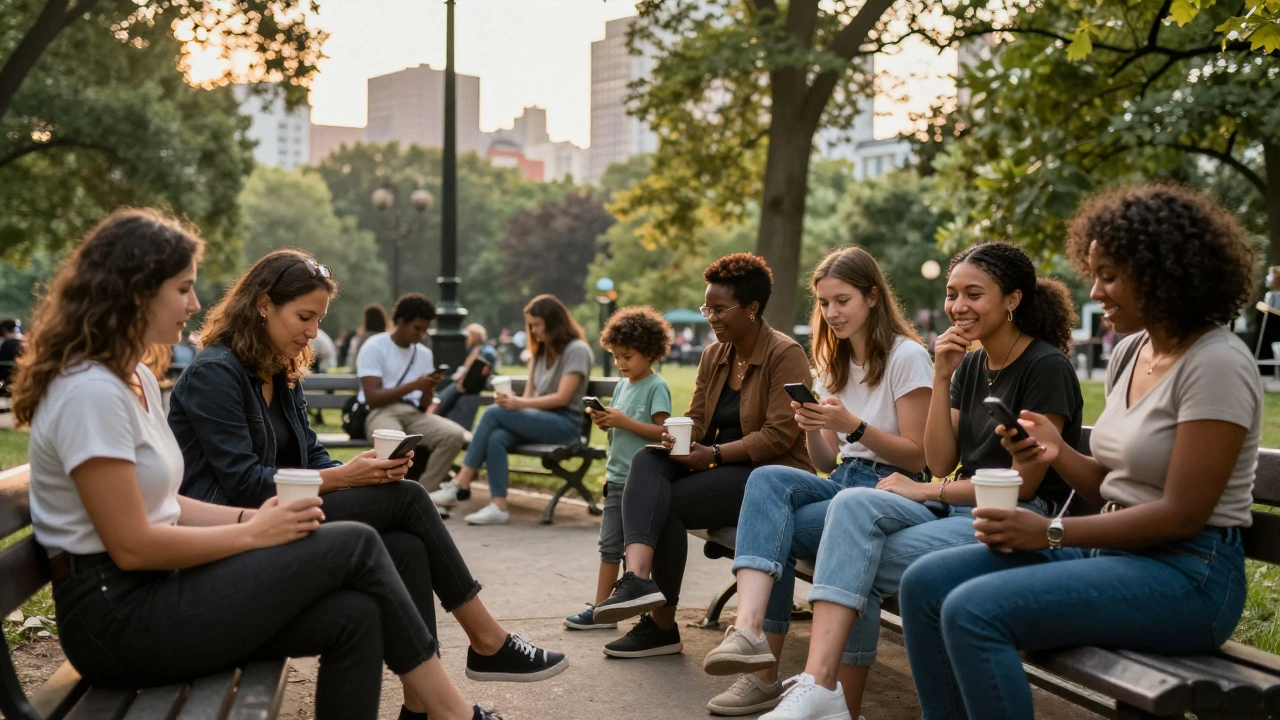
You’ve probably seen headlines about sex workers-some painted as victims, others as criminals, a few as empowered entrepreneurs. But how many of those stories actually talk to the people doing the work? The truth is, society’s view of sex workers is a messy mix of fear, judgment, and outdated myths. And it’s not just about what people say-it’s about how those beliefs shape laws, safety, and daily life.
What Society Thinks vs. What Actually Happens
Most people don’t know sex workers. They’ve never sat down with one over coffee, never heard their story, never asked why they chose this work. Instead, they’ve absorbed images from movies, news headlines, and moral panic campaigns. The result? A distorted picture.
One common myth: all sex workers are trafficked. The truth? According to a 2023 study by the Global Network of Sex Work Projects, over 70% of sex workers surveyed said they entered the work voluntarily. Many do it because it pays better than other jobs available to them-especially single mothers, immigrants, or people with limited formal education. They’re not being forced. They’re making a choice, often under difficult circumstances.
Another myth: sex work is always dangerous. But when sex work is criminalized, danger increases. When it’s decriminalized, like in parts of New Zealand or Nevada, sex workers report better safety, more access to police help, and fewer violent incidents. Criminalization doesn’t protect people-it pushes them underground, away from support systems.
Why the Stigma Exists
Stigma doesn’t come out of nowhere. It’s built over centuries-rooted in religious beliefs, gender double standards, and economic control. Women who sell sex are often labeled as ‘immoral’ or ‘broken,’ while men who buy it are rarely judged the same way. That’s not fairness. That’s hypocrisy.
Think about it: if someone works in retail, you don’t assume they’re desperate. If someone works in tech, you don’t assume they’re exploited. But if someone works in sex work? Suddenly, their entire character is questioned. Why? Because society still believes sex should only happen within marriage, for reproduction, or under strict moral codes. That belief doesn’t match reality. People have sex for money, for survival, for autonomy, for pleasure-just like they eat for hunger, work for income, or sleep for rest.
And it’s not just about gender. LGBTQ+ sex workers face even harsher stigma. Trans women of color, for example, are often pushed into sex work because employers refuse to hire them. Then they’re blamed for being ‘on the streets.’
How Laws Shape Perception
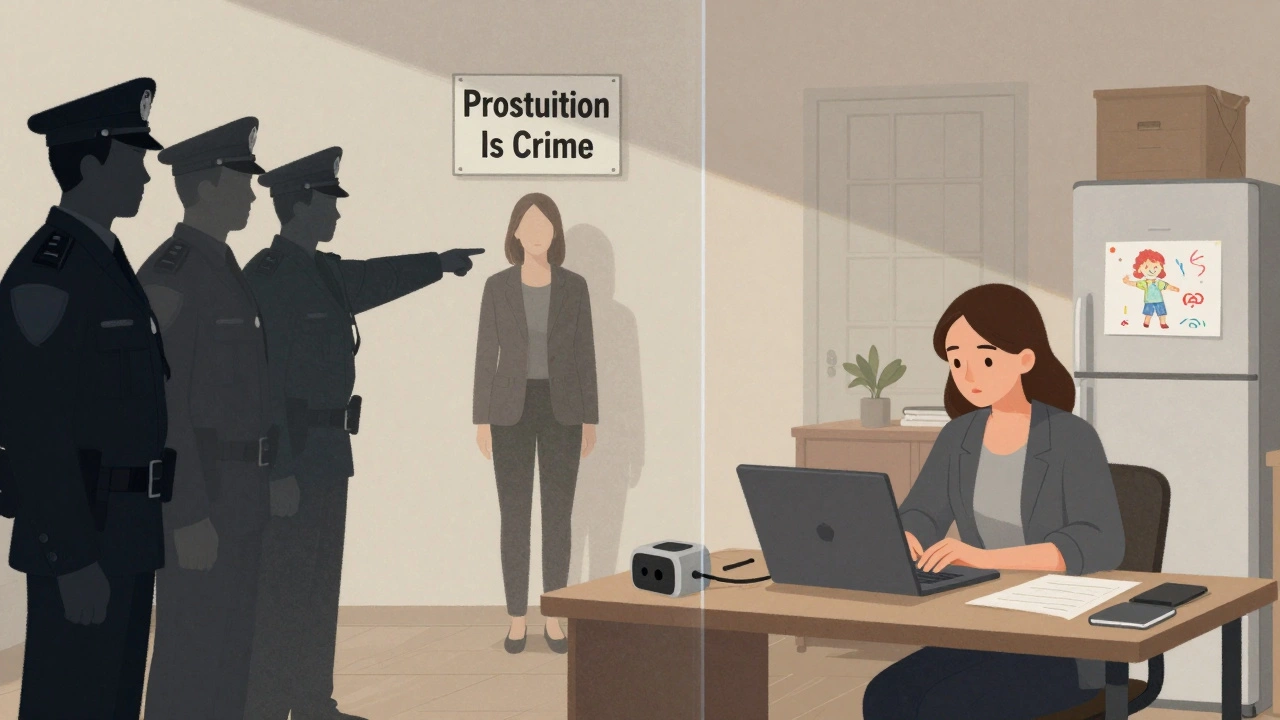
Where you live changes how society sees sex workers. In countries like Sweden and Norway, buying sex is illegal-but selling it isn’t. That’s called the Nordic Model. It sounds progressive, right? But in practice, it still criminalizes the work. Sex workers can’t advertise, they can’t work together for safety, and they fear police raids. So they’re forced to meet clients in dark alleys, not safer online spaces.
In contrast, in New Zealand, sex work has been fully decriminalized since 2003. Sex workers can rent apartments, hire security, and report violence without fear of arrest. The result? Fewer violent attacks, more health screenings, and greater public acceptance. The law didn’t change because people suddenly became more ‘moral.’ It changed because evidence showed decriminalization saves lives.
In the U.S., it’s a patchwork. In Nevada, licensed brothels operate legally in rural counties. In most other states, even talking to a client can get you arrested. That inconsistency doesn’t protect anyone-it just makes life harder for the people doing the work.
Real People, Real Stories
Let’s talk about Maria, 38, from Mexico City. She moved to the U.S. after her husband died, leaving her with two kids and no job skills. She started doing online escort work because it paid more than cleaning houses. She works from home, screens clients carefully, and uses a pseudonym. She’s not ashamed. She’s proud she can pay her daughter’s tuition.
Then there’s Jamal, 29, a trans man in Toronto. He does street-based work because he’s been turned down by 47 job applications in a year. He carries a panic button, tells a friend his location before every meeting, and refuses cash-only deals. He doesn’t see himself as a victim. He sees himself as someone surviving a system that won’t let him work anywhere else.
These aren’t outliers. They’re the norm. Most sex workers aren’t looking for rescue. They’re looking for respect, safety, and the right to make their own choices without being punished for it.
What Happens When Society Judges Without Understanding
When society treats sex workers like criminals or tragedies, real harm follows. Hospitals turn them away. Landlords evict them. Banks freeze their accounts. Social services refuse to help because they assume the person is ‘involved in illegal activity.’
And it’s not just about access to services. It’s about dignity. A 2022 survey by the Sex Workers’ Rights Advocacy Network found that 68% of sex workers had been verbally abused by strangers in public. One in three had been physically attacked-often by people who thought they were ‘doing society a favor.’
Imagine being told you’re ‘dirty’ just because you earn your living through sex. Imagine your child being bullied at school because their parent’s job is ‘wrong.’ Imagine being denied a loan because your income source is ‘unstable’-even if you’ve been working for ten years.
That’s the cost of stigma. It doesn’t just hurt feelings. It hurts lives.
Who Benefits From the Stigma?
Who gains from keeping sex workers invisible and shamed? Not the workers. Not the public. Not even most clients.
It’s the people who profit from keeping sex work illegal: traffickers, corrupt police, predatory landlords, and politicians who use ‘saving women’ as a campaign slogan. When sex work is hidden, it’s easier to exploit. When it’s criminalized, it’s easier to control.
Decriminalization doesn’t mean promoting sex work. It means treating it like any other job-with rights, protections, and the chance to speak up without fear.
Changing the Narrative
Slowly, things are shifting. More journalists are interviewing sex workers directly instead of relying on ‘experts’ who’ve never met one. More universities are offering courses on sex work as labor, not deviance. More cities are listening to sex worker organizations when drafting laws.
Organizations like the Global Network of Sex Work Projects and the Sex Workers Outreach Project are pushing for policy changes grounded in real experience-not fear. They don’t ask for charity. They ask for rights.
And change starts with one simple question: What if we stopped seeing sex workers as a problem to fix, and started seeing them as people to protect?

What You Can Do
You don’t need to become an activist overnight. But you can start by questioning the stories you hear. When you see a headline screaming ‘Human Trafficking Ring Bust,’ ask: Who’s being spoken for? Who’s being silenced?
Support organizations led by sex workers-not those that speak over them. Donate to groups like SWOP or Red Umbrella Fund. Share stories that humanize, not sensationalize.
And if you’re someone who’s ever judged a sex worker? That’s okay. But now you know better. And knowing better means you can do better.
Comparison: Criminalization vs. Decriminalization
| Factor | Criminalized Systems | Decriminalized Systems |
|---|---|---|
| Access to Police | Low-fear of arrest prevents reporting | High-workers can report violence without penalty |
| Health Services | Often denied or feared | More accessible, regular screenings |
| Work Safety | Isolation, no screening, no backup | Can screen clients, work together, use security |
| Public Perception | High stigma, seen as criminals or victims | More recognition as workers with rights |
| Violence Rates | Higher-due to lack of safety measures | Lower-evidence from New Zealand and Australia |
Frequently Asked Questions
Are all sex workers victims?
No. While some people are trafficked or coerced, many choose sex work voluntarily. Studies show most sex workers enter the field for economic reasons, not because they’re forced. Assuming everyone is a victim ignores their agency and can lead to harmful policies that hurt more than help.
Why can’t sex workers just get another job?
Many try. But systemic barriers make it hard. Discrimination against people with criminal records, lack of formal education, immigration status, gender identity, or past trauma can shut doors. Sex work often pays better and offers more flexibility than low-wage jobs that don’t accommodate childcare or irregular hours.
Isn’t sex work degrading?
It’s not inherently degrading-it’s the stigma and criminalization that make it dangerous. Many sex workers say the work is empowering because it gives them control over their bodies and income. What’s degrading is being judged, arrested, or denied housing because of it.
Does legalizing sex work increase trafficking?
No. Evidence from countries like New Zealand and the Netherlands shows that legal frameworks help authorities identify and stop trafficking, not hide it. Criminalization makes trafficking harder to detect because everything happens underground. Legal, regulated environments allow for better oversight.
Should I feel guilty for hiring a sex worker?
If you’re paying for a service and the person is consenting and not coerced, there’s no moral guilt. The real issue is the system that forces people into unsafe situations. Supporting decriminalization and worker-led organizations helps create safer conditions for everyone involved.
What Comes Next
The way society views sex workers is changing-not because of moral awakening, but because of facts. People are starting to see that punishing sex workers doesn’t stop sex work. It just makes it riskier. And that’s not justice. That’s cruelty disguised as morality.
Real progress happens when we listen. When we replace fear with facts. When we treat sex workers not as symbols, but as people-with jobs, families, dreams, and the right to safety.
That’s not radical. That’s basic human decency.