You’ve seen the headlines. The sensationalized clips. The moral panic. But you’ve never heard the full story-not from the people living it.
Sex work isn’t a myth. It’s not a crime wave. It’s not a tragedy waiting to happen. It’s work. Real work. Done by real people-with skills, boundaries, and dreams just like yours.
On a quiet Tuesday morning in Peckham, Aisha sips her tea before logging into her secure client portal. She’s been doing this for eight years. She pays her taxes. She has a savings account. She’s saving for her daughter’s college. She doesn’t want your pity. She wants you to stop pretending she doesn’t exist.
What Sex Work Really Is (And What It Isn’t)
Sex work is any exchange of sexual services for money or goods. That includes escorts, strippers, cam models, dominatrixes, phone sex operators, and more. It’s not about being "trapped" or "exploited"-though that can happen, like in any industry. It’s about autonomy, choice, and survival.
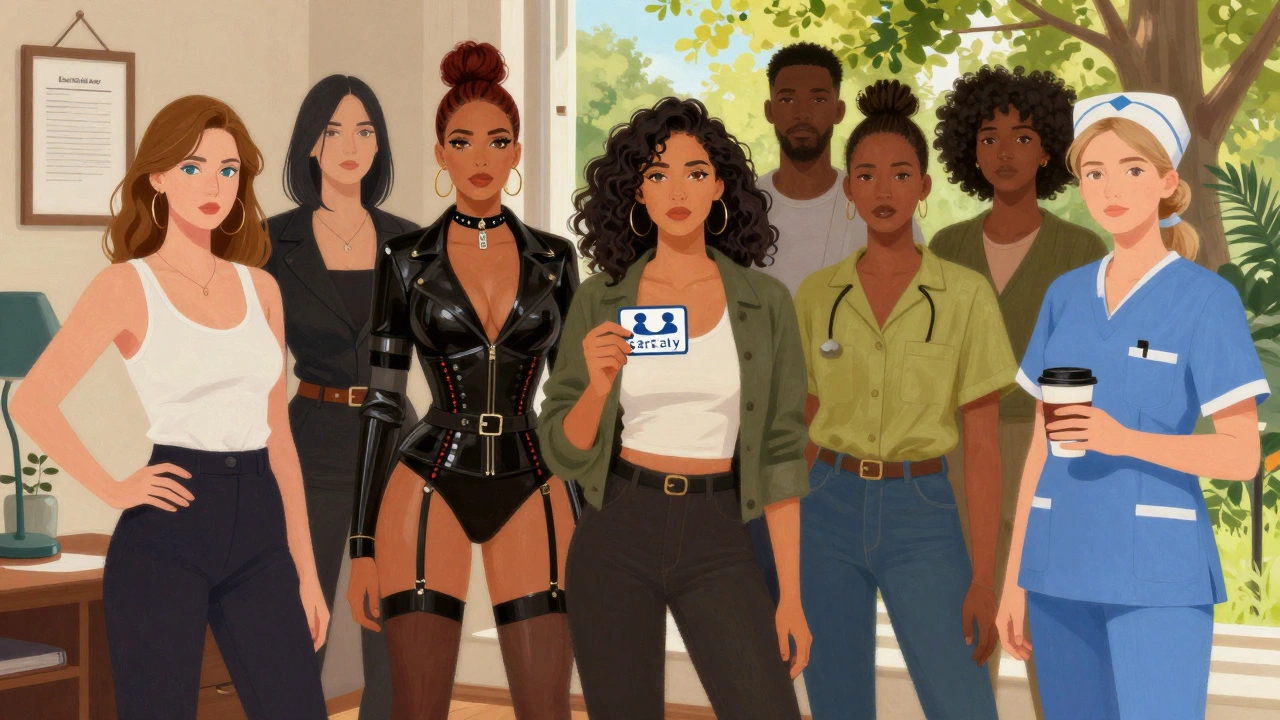
Most sex workers don’t fit the stereotype. They’re teachers during the day. Nurses. Artists. Single moms. College students. They’re not "broken." They’re not "fallen." They’re people making decisions in a world that doesn’t give them many options-and they’re doing it with more dignity than most corporate jobs.
When the law treats sex work as inherently harmful, it doesn’t protect people. It pushes them into the shadows. Where abuse thrives. Where police raids replace safety checks. Where clients aren’t screened. Where no one asks if you’re okay.
Why the Stigma Hurts More Than the Work
The real danger isn’t the job. It’s the shame.
Imagine being fired because your boss found out you do cam shows on the side. Or being denied housing because your landlord heard you’re an escort. Or having your kid’s school call you in for a "concern meeting" because someone saw your name online.
That’s not hypothetical. That’s what happens every day.
Research from the University of Edinburgh in 2024 found that 78% of sex workers in the UK have experienced workplace discrimination-more than any other group surveyed, including transgender people and immigrants. And 62% said they avoided seeking medical help because they feared being judged or reported.
Stigma doesn’t just hurt feelings. It kills. It keeps people from calling the police when they’re threatened. It stops them from reporting violence. It makes them feel like they don’t deserve safety.
How Sex Workers Are Fighting Back
But here’s the thing: sex workers aren’t waiting for permission to be heard.
In London, the Sex Workers’ Opera toured five venues last year. It was written, performed, and produced entirely by current and former sex workers. No actors. No saviors. Just truth.
There’s the UK Network of Sex Work Projects (UKNSWP), a coalition of over 40 grassroots groups that offer legal advice, safe housing, and mental health support. They don’t ask you to quit. They ask you to be safe.
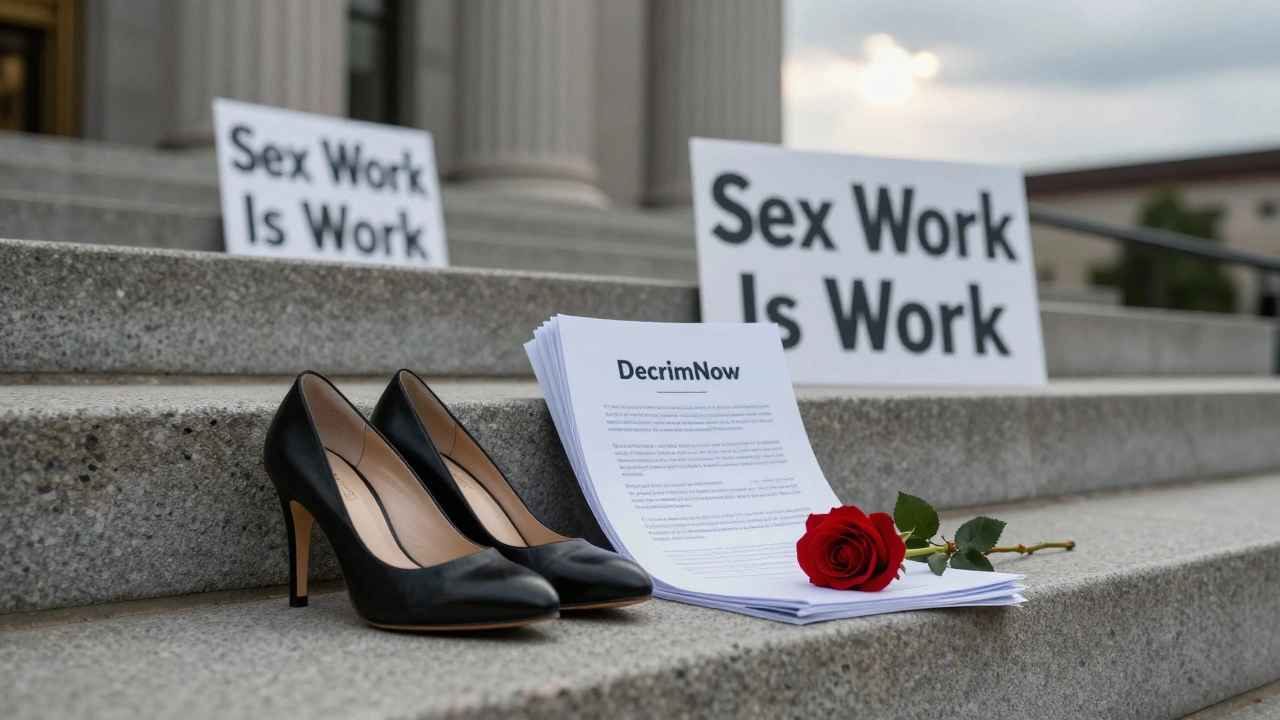
And then there’s the #DecrimNow movement. Not legalization. Not regulation. Decriminalization. That means removing criminal penalties for selling and buying sex. It means treating sex work like any other job-subject to labor rights, not moral panic.
New Zealand decriminalized sex work in 2003. Since then, violence against sex workers dropped by 50%. Health services increased. Police started working *with* workers, not against them. And no one lost their job for being honest about what they did.
The Different Faces of Sex Work Today
Not all sex work looks the same. And that matters.
- Online cam work-You sit at home, talk to strangers, make money. No physical contact. No risk of assault. Just a screen and a boundary.
- Independent escorts-They screen clients. Use apps like MySeduction or RedBook. Set their own rates. Work when they want. Most don’t use agencies.
- Street-based workers-Often the most vulnerable. They’re the ones pushed out by gentrification, drug addiction, or lack of housing. They need support, not arrests.
- Dommes and fetish workers-They run businesses. Some charge £200/hour. They have contracts. Insurance. Business accounts.
- Sex workers in recovery-Many leave the industry. They become advocates. Therapists. Writers. They don’t disappear. They just stop being invisible.
Each of these paths is valid. Each deserves respect. None of them should be criminalized.
How to Support Sex Workers-Without "Saving" Them
You don’t need to rescue anyone. You just need to stop hurting them.
- Don’t report them. If you see someone working safely online or on the street, don’t call the cops. That’s not helping. That’s punishment.
- Donate to orgs like UKNSWP or Scarlet Alliance. They fund legal aid, safe rooms, and crisis hotlines.
- Use your voice. If someone says "sex work is exploitation," ask them: "Have you talked to a sex worker lately?"
- Vote for decriminalization. Politicians who say they "care" about sex workers but support the Nordic Model (criminalizing buyers) are lying. That model increases danger. It doesn’t reduce it.
- Don’t shame people who work in the industry. If your friend, cousin, or coworker does this, don’t treat them differently. Don’t act like they’ve done something wrong. Just be human.
What Happens When Sex Work Is Legalized vs. Decriminalized
People mix up these terms all the time. Here’s the difference:
| Aspect | Legalization | Decriminalization |
|---|---|---|
| What it means | Government controls the industry (licenses, zones, inspections) | No criminal penalties. Workers can operate freely under labor laws |
| Who benefits | Big businesses, landlords, police | Workers, communities, public health |
| Example country | Netherlands, Germany | New Zealand, parts of Australia |
| Impact on safety | Workers still fear raids. Many operate illegally | Workers report violence more often. Police help instead of arrest |
| Access to healthcare | Often restricted to licensed venues | Full access. No fear of being reported |
Legalization sounds nice. But it creates a two-tier system: the "good" workers who play by the rules, and everyone else who gets punished. Decriminalization treats everyone as equal under the law.
Frequently Asked Questions
Is sex work always dangerous?
No. Like any job, risk depends on conditions. Workers who have control over their environment-screening clients, working online, setting boundaries-report lower rates of violence than those forced into street work due to poverty or lack of options. The danger comes from stigma and criminalization, not the work itself.
Don’t most sex workers get into it because they’re abused?
Some do. But many don’t. A 2023 study by the London School of Economics found that 61% of sex workers in the UK entered the industry voluntarily, citing financial independence, flexible hours, or skill use as reasons. Blaming trauma as the only path ignores the agency of thousands of people who chose this work.
Why not just get a "normal" job?
Many do. But not everyone can. Minimum wage doesn’t cover rent in London. Childcare costs more than some salaries. Jobs with rigid hours don’t work for single parents or people with disabilities. Sex work offers flexibility that few other jobs do. It’s not a backup plan-it’s a strategy.
Does decriminalization mean more trafficking?
No. Evidence from New Zealand and Australia shows decriminalization makes trafficking *harder* to hide. When sex work is legal and visible, workers can report exploitation without fear. Criminalization hides trafficking underground, where it’s harder to find and fix.
What can I do right now to help?
Stop spreading myths. Support organizations led by sex workers. Don’t call the police on someone just because they’re working. And if you know someone who does this work, treat them with dignity-not pity, not judgment, just humanity.
What Comes Next?
The conversation isn’t over. It’s just beginning.
More sex workers are speaking out. More journalists are listening. More politicians are starting to question the harm their laws cause.
But change doesn’t come from pity. It comes from recognition. From seeing sex workers not as victims, not as villains-but as people. People who deserve safety. Dignity. The right to exist without shame.
You don’t have to agree with the work. But you can agree that no one should be punished for surviving.