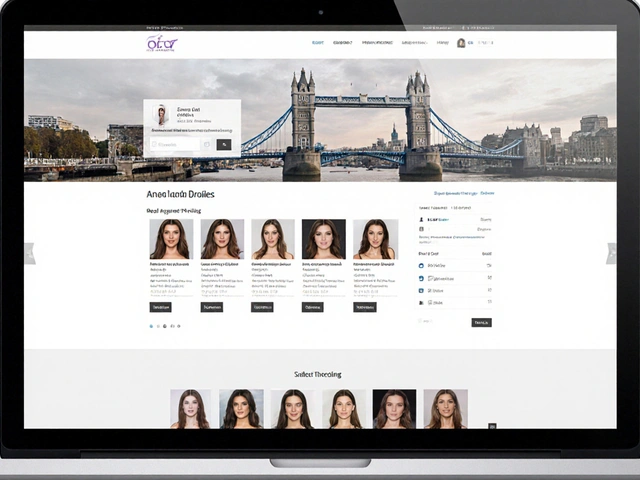
You’ve seen them-those websites with polished photos, vague descriptions, and promises of companionship. Maybe you clicked out of curiosity. Maybe you’re trying to understand what’s really going on. Either way, you’re asking the right question: What are the ethics behind escort sites? It’s not just about legality. It’s about power, consent, exploitation, and who gets to decide what’s acceptable.
What Are Escort Sites Really Offering?
At surface level, escort sites claim to connect people seeking companionship with individuals offering time, conversation, and sometimes physical intimacy. But behind the glossy profiles lies a complex ecosystem. These platforms don’t just list services-they enable transactions that blur the line between personal choice and commercial exploitation.
Some escorts use these sites independently, setting their own rates, choosing clients, and controlling boundaries. Others are managed by agencies or third parties who take a cut, dictate terms, and sometimes restrict freedom. The difference isn’t always clear to the client. And that’s where the ethical problems start.
Why This Matters Beyond the Surface
Let’s be honest: most people don’t use escort sites because they want to talk about the weather. They’re looking for connection, intimacy, or escape. But when those needs are met through paid arrangements, it changes the dynamic. Power shifts. Consent becomes transactional. And the person providing the service? Their autonomy is often undermined by economic pressure, social stigma, or lack of alternatives.
In the UK, selling sexual services isn’t illegal-but many related activities are. Advertising, pimping, brothel-keeping, and soliciting in public are all criminalized. That means escorts rely on online platforms to operate safely. But those platforms aren’t neutral. They profit from the system while distancing themselves from responsibility. Is that fair?
The Human Cost Behind the Profiles
Not every escort is there by choice. Some are trapped by debt, homelessness, or past trauma. Others are coerced by partners or organized groups. Studies from the UK Home Office and charities like the English Collective of Prostitutes show that a significant portion of people in the sex trade entered it under duress-not because it was their dream job.
But here’s the uncomfortable truth: even when someone chooses this work voluntarily, they’re still operating in a system that treats them as disposable. Clients often don’t see them as people-they see a service. And when the service ends, the human being is forgotten.
Who Benefits? Who Gets Left Behind?
Let’s break it down:
- Platform owners make money from subscriptions, featured listings, and ads-regardless of what happens behind the screen.
- Agency operators control access, set prices, and sometimes use fear or manipulation to keep workers compliant.
- Clients get companionship without emotional obligation-but rarely consider the toll on the person they’re paying.
- Escorts bear the physical, emotional, and legal risks. They’re the ones facing harassment, violence, and social isolation.
It’s not a level playing field. And that’s the core ethical issue: the system is designed to protect profit, not people.

Is There a Moral Middle Ground?
Some argue that decriminalization is the answer. In New Zealand, where sex work is fully decriminalized, workers report better safety, less stigma, and more control over their working conditions. They can report abuse without fear of arrest. They can unionize. They can access healthcare without judgment.
In contrast, the UK’s partial criminalization pushes the industry underground. Escorts avoid police, avoid reporting violence, and avoid seeking help-because the law treats them as criminals, not victims or workers.
So if you’re asking whether escort sites are ethical, the real question is: Should we be supporting a system that criminalizes survival?
What Can You Do If You’re a Client?
If you’re reading this because you’re considering using an escort site, here’s what you need to know:
- Look for independent workers who list their own contact info-not agencies with generic profiles.
- Respect boundaries. If they say no to something, it’s not negotiable.
- Pay fairly. Underpaying reinforces exploitation.
- Don’t ask for personal details unless they offer them. You’re not entitled to their life story.
- Consider whether you’re paying for a person-or just a fantasy.
And if you’re not sure? Ask yourself: Would I treat this person this way if they weren’t being paid?
What About the Escorts Themselves?
For those working in the industry, safety comes from community, not secrecy. Organizations like the English Collective of Prostitutes offer legal advice, peer support, and advocacy. If you’re an escort, you’re not alone. You deserve dignity, not judgment.
There are also digital tools that help: encrypted messaging apps, safety check-in systems, and peer-reviewed directories that screen for abusive agencies. Knowledge is power-and you have the right to it.

Comparison: Escort Sites vs. Legalized Sex Work Models
| Aspect | UK Escort Sites | New Zealand (Legalized) |
|---|---|---|
| Legality of selling sex | Legal | Legal |
| Advertising allowed | Restricted (criminalized) | Legal |
| Agency operation | Often illegal or hidden | Legal and regulated |
| Worker access to legal protection | Low-fear of arrest deters reporting | High-workers can report abuse without penalty |
| Health and safety support | Limited, informal networks | Government-funded services available |
| Public stigma | High | Reduced due to normalization |
The difference isn’t just policy-it’s humanity. In New Zealand, sex workers aren’t criminals. They’re workers. And that changes everything.
Frequently Asked Questions
Are escort sites illegal in the UK?
No, selling sexual services isn’t illegal in the UK. But advertising, soliciting in public, brothel-keeping, and third-party control (like agencies) are. This creates a dangerous gray zone where escorts are forced to operate in secrecy, making them more vulnerable to abuse and exploitation.
Do escort sites protect workers?
Most don’t. Platforms profit from listings but rarely verify safety practices, screen clients, or offer support. Some sites claim to be "ethical," but without independent oversight, those claims are hard to verify. True protection comes from legal rights-not website policies.
Can someone choose escort work without being exploited?
Yes-but only if they have real alternatives. When someone has access to housing, healthcare, education, and fair-wage jobs, they’re not choosing escort work out of desperation. The problem isn’t the work itself-it’s the lack of options for many who enter it.
Why don’t more escorts speak out?
Fear. Fear of losing custody of children. Fear of being fired from other jobs. Fear of violence from clients or traffickers. Fear of being arrested under laws meant to target pimps but used against workers. The stigma is real-and it silences voices.
What’s the solution?
Decriminalization, combined with social support. Remove criminal penalties for sex work, allow advertising and organizing, and invest in housing, mental health, and job training. That’s not about promoting escort sites-it’s about protecting the people who use them.
Final Thought: It’s Not About Judgment-It’s About Justice
Calling escort sites "immoral" misses the point. The real issue isn’t the act-it’s the system that makes it dangerous. If we want to fix this, we need to stop treating sex workers as criminals and start treating them as people. That means changing laws. Changing attitudes. And yes-changing how we think about the people behind the profiles.
You don’t have to agree with how others live. But you can choose to protect their right to safety, dignity, and autonomy. That’s not just ethical. It’s human.