
You’ve probably seen movies or read articles that paint call girl culture as glamorous, dangerous, or mysterious. But the truth? It’s way more complicated than Hollywood lets on. In some places, it’s a quiet part of daily life. In others, it’s hidden behind closed doors, with real risks and real people trying to survive. This isn’t about fantasy. It’s about how different societies handle sex work-and what that says about power, money, and human dignity.
What Exactly Is Call Girl Culture?
Call girl culture refers to the social, legal, and economic systems that surround independent sex workers who typically offer companionship and sexual services, often through private arrangements. Unlike street-based sex work, call girls usually operate from apartments, hotels, or private residences. They often present themselves as high-end, discreet, and professional. But don’t let the word "call girl" fool you-it’s not a title. It’s a label that carries decades of stigma, media distortion, and legal ambiguity.
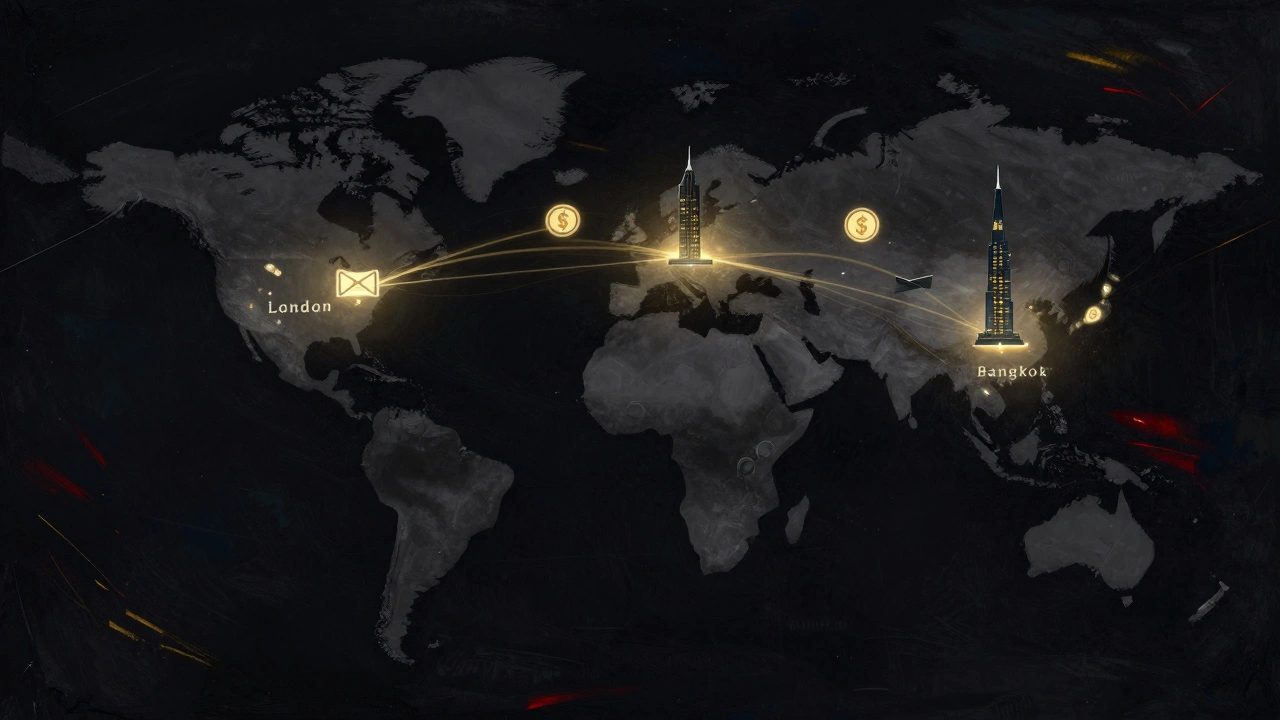
What makes this culture different from other forms of sex work? For one, it’s often tied to wealth and discretion. Clients are usually professionals, tourists, or business travelers. The workers often manage their own branding, scheduling, and safety. In places like London or Paris, you’ll find women advertising on private platforms with professional photos, clear pricing, and strict boundaries. In Bangkok or Istanbul, the scene might be more informal, with arrangements made through word of mouth or local networks.
It’s not about seduction. It’s about labor. And like any job, it’s shaped by where you are.
How It Works in Europe: From Legal to Hidden
In Europe, the rules vary wildly from country to country-and even city to city.
In the Netherlands, especially in Amsterdam’s De Wallen district, sex work is legal and regulated. Workers can register, pay taxes, and access healthcare. Many operate as independent contractors. Some even have unions. The culture here is open but not flashy. You won’t find neon signs. You’ll find quiet apartments above cafes, with discreet entryways and professional vetting.
In Germany, it’s similar. Sex work is legal nationwide. Workers can apply for social security. But in cities like Berlin, the scene is more fragmented. Many women work alone, using encrypted apps to connect with clients. There’s less glamour, more pragmatism. You’ll find students, single mothers, and immigrants doing this work to pay rent or support families.
Then there’s the UK. Here, selling sex isn’t illegal-but many related activities are. Pimping, brothel-keeping, and soliciting in public are crimes. That means most call girls work privately, often from flats in areas like Kensington, Notting Hill, or Camden. They use private websites or vetted escort directories. There’s no streetwalking. No visible signage. Just quiet professionalism. Many use pseudonyms. Some have degrees. Others are fleeing abuse or economic hardship.
France? A different story. In 2016, France passed a law criminalizing clients, not workers. The goal? To reduce demand. But the result? More danger. Workers now operate in deeper shadows. Clients are harder to vet. Payments are cash-only. Many report increased violence and fewer protections.
Call Girl Culture in Asia: High Demand, High Risk
Asia’s scene is shaped by wealth, tourism, and strict moral codes.
In Thailand, especially in Bangkok and Pattaya, sex work is widespread but technically illegal. Yet it’s tolerated. You’ll find women advertising on Thai-language sites, often with photos in business attire or elegant dresses. They’re not just offering sex-they’re offering companionship. Dinner. Conversation. A night away from loneliness. Many clients are Japanese or South Korean businessmen. The work is often seasonal, tied to tourist cycles.
In Japan, the culture is more subtle. "Enjo kosai" (compensated dating) is a known phenomenon, especially among younger women. But it’s rarely called "call girl" work. Instead, it’s framed as dating with financial support. The line between romance and transaction is blurry. Many use apps like Omiai or Tinder to connect, then arrange private meetings. The women often have university jobs or part-time gigs. This isn’t desperation-it’s strategy.
In China, it’s underground. Sex work is illegal, and crackdowns are frequent. But demand is high, especially in cities like Shanghai and Guangzhou. Workers rely on encrypted messaging apps like WeChat. Payments are made via mobile wallets. Clients are often wealthy locals or expats. The risk is extreme: arrest, deportation, or worse. Many workers are migrants from rural areas with few other options.
In India, the scene is fragmented. In places like Delhi or Mumbai, call girls often work through private networks. They’re rarely advertised publicly. Most clients are foreign tourists or business travelers. Local men rarely seek these services openly-it’s still heavily stigmatized. Workers often live in shared apartments, with a network of others for safety.
What About the Middle East and North Africa?
Here, the rules are strict-and the consequences are severe.
In Dubai, sex work is illegal. But the city’s massive expat population and luxury tourism create a hidden demand. Workers are often foreign nationals-Eastern European, Filipino, or Russian-who enter on tourist visas. They use private apartments in areas like Jumeirah or Downtown. Clients are wealthy locals or expats. Communication happens through encrypted apps. If caught, workers face deportation, jail, or worse. Many live in fear.
In Istanbul, Turkey, the situation is more complex. Prostitution is legal in licensed brothels-but independent call girls operate in gray zones. Many are Syrian refugees, Ukrainian women, or local women from marginalized communities. They use Instagram or WhatsApp to connect. The city’s history as a crossroads means the culture is fluid: one neighborhood might be open, another deadly.
In Saudi Arabia and other Gulf states, the risk is extreme. There are no public services. No visible networks. Any form of sex work is punishable by imprisonment, flogging, or deportation. Yet demand exists. It’s all done in absolute secrecy. Workers are often trapped in exploitative situations. No one talks about it. No one reports it. It’s invisible.

What Do Call Girls Actually Do? Beyond the Assumption
Let’s clear up a myth: call girls aren’t just there for sex.
In London, a woman might spend an evening discussing art with a client who’s lonely after a divorce. In Bangkok, she might help a Japanese businessman navigate local customs, translate for him, or just sit quietly while he eats dinner. In Paris, she might be a former ballet dancer who lost her job and now uses her poise and language skills to earn a living.
The service isn’t always sexual. Sometimes, it’s emotional labor. A listening ear. A distraction from stress. A night where someone treats you like you matter.
Many workers set strict boundaries. No drugs. No violence. No public exposure. They screen clients. They use code words. They have emergency contacts. Some even carry panic buttons.
It’s not romance. It’s not fantasy. It’s work.
How to Find These Services-And Why You Should Think Twice
If you’re curious, you might wonder: how do you find these people?
Online directories still exist. Sites like Backpage (shut down in 2018) were replaced by private forums, Telegram groups, and encrypted apps. In London, you might find listings on sites like The Erotic Review or local escort blogs. In Bangkok, Thai-language Facebook groups are common. In Dubai, WhatsApp groups circulate among expats.
But here’s the thing: these platforms are risky. Many are scams. Some are traps set by police or traffickers. Others charge high fees just to give you a fake number.
And even if you find someone legitimate-you’re still entering a legal gray zone. In most places, paying for sex puts you at risk. You could be recorded. Blackmailed. Reported. Your name could end up on a list. Your job, your family, your reputation-everything could be exposed.
Is it worth it?
What to Expect: A Realistic View
If you do go through with it, here’s what usually happens:
- You’ll be asked to provide ID. Not for fun-because workers need to protect themselves.
- You’ll agree on time, location, and services. Nothing is implied. Everything is stated.
- Payment is usually cash or mobile transfer. No credit cards-too traceable.
- You’ll be expected to be respectful. No demands. No pressure. No intoxication.
- There’s no kissing. No cuddling. No emotional entanglement. That’s not part of the deal.
- You’ll leave on time. No lingering. No asking for more.
It’s not a date. It’s a transaction. And if you treat it like one, it’s safer-for everyone.
Pricing: What You’ll Actually Pay
Prices vary wildly by location, experience, and demand.
- London: £150-£400 per hour. Higher-end workers charge £600+ for evening packages.
- Paris: €120-€300. Some charge extra for travel or language skills.
- Bangkok: 3,000-8,000 THB ($80-$220). Often includes dinner or hotel stay.
- Dubai: AED 1,000-3,000 ($270-$820). High demand, high risk.
- Istanbul: ₺2,000-₺6,000 ($60-$180). Often negotiated in cash.
Don’t assume higher price = better service. It often just means more screening, more safety, or more experience. Many lower-priced workers are just as professional.
Safety First: How to Protect Yourself (and Them)
Here’s what you must do:
- Never meet in a public place. Always in a private, pre-arranged location.
- Use a trusted platform or referral. Avoid random ads.
- Confirm identity before arrival. Ask for a photo ID or video call.
- Pay upfront or on delivery-never promise future payment.
- Don’t bring alcohol or drugs. They increase risk for everyone.
- Respect boundaries. If they say no, stop.
- Leave on time. Don’t linger. Don’t ask for contact info.
- Never record or photograph. It’s illegal and unethical.
And if you’re the client: remember-you’re not a hero. You’re not a savior. You’re a customer. Treat them like a person, not a fantasy.
Call Girl vs. Street Sex Worker: Key Differences
| Aspect | Call Girl | Street Sex Worker |
|---|---|---|
| Location | Private apartments, hotels, rented rooms | Streets, parks, underpasses |
| Client Screening | High-ID checks, references, vetting | Low or none-often rushed encounters |
| Legal Risk | Medium to high (hidden but still illegal in many places) | High (often targeted by police) |
| Income | Higher-£150-£600/hour | Lower-£20-£80 per encounter |
| Support Network | Often isolated, but may have peer groups | Often vulnerable-few resources, high exposure |
| Visibility | Discreet, no public advertising | Highly visible, often targeted by media |
The difference isn’t just about price. It’s about safety, control, and dignity. Call girls often have more autonomy. Street workers are far more exposed to violence and exploitation.
Frequently Asked Questions
Is call girl work legal anywhere in the world?
Yes, in parts of Europe like the Netherlands and Germany, sex work is legal and regulated. Workers can register, pay taxes, and access healthcare. In New Zealand, it’s fully decriminalized. But in most countries-including the UK, USA, and most of Asia and the Middle East-it’s either illegal or operates in a legal gray zone.
Why do women become call girls?
There’s no single reason. Some do it for financial freedom. Others are escaping abuse, debt, or unstable housing. Many have degrees or professional skills but face discrimination or low wages in traditional jobs. Some are students. Others are single mothers. A few do it for adventure or curiosity. But most do it because they need to survive.
Are call girls safe?
It depends. Independent call girls who screen clients, use secure communication, and avoid public exposure are often safer than street workers. But no one is completely safe. Legal systems rarely protect them. Police often ignore their complaints. Clients can turn violent. The biggest threat isn’t the job-it’s the stigma and lack of legal rights.
Can you fall in love with a call girl?
Emotions can develop-but they’re not part of the arrangement. Most workers set clear boundaries to protect themselves. If a client tries to cross that line, it becomes dangerous-for them and for the worker. Real relationships don’t start with payment. If you’re looking for love, look elsewhere.
How do call girls avoid getting caught?
They use encrypted apps like Signal or Telegram. They avoid public advertising. They never use their real names. Many rotate locations. Some use fake IDs or work under aliases. They don’t keep records. They don’t take photos. And they rarely talk to strangers about their work.
Final Thought: It’s Not About You
Call girl culture isn’t a fantasy to explore. It’s not a curiosity to satisfy. It’s a reflection of inequality, desperation, and the things societies refuse to fix.
Behind every ad, every profile, every discreet meeting-is a person trying to survive. They’re not a product. They’re not a service. They’re human beings with names, histories, and dreams.
If you’re thinking about engaging with this world, ask yourself: Are you here to understand? Or just to consume?
And if you’re not sure? Maybe the best thing you can do is not go at all.






5 Comments
Vinny Cuvo
so i read this whole thing and like... why does every article on this shit need to sound like a fucking college essay? "emotional labor" "human dignity" bro i just wanna know if the girl in bangkok takes venmo or if i gotta carry cash. also typo in the pricing section - "AED 1,000-3,000" should be "AED 1,000–3,000". seriously? no en dash? you lost me at punctuation.
Jaco Steenberg
Wow. Just... wow. I'm not gonna pretend I've ever been in this situation, but reading this made me think about how much we overlook people just trying to get by. The part about the former ballet dancer in Paris? That got me. And the Thai woman helping a lonely businessman with dinner? That's not sex work-that's human connection, packaged in a system that refuses to see it. We label, we judge, we criminalize... but we never ask: what if we just helped? Maybe safety isn't about laws-it's about dignity. And maybe, just maybe, we're the ones who need to change, not them. 🙏
sooraj Yadav
INDIA IS THE BEST COUNTRY FOR THIS!! 😎🔥 Why? Because we have the most beautiful girls in the world, and they know how to treat a real man! Why do you think all the foreign guys go to Mumbai? Because they know real service when they see it! 🇮🇳💯 Also, if you're a foreigner and you think you can just show up and pay cash? You're gonna get scammed. Learn Hindi first, bro! And stop acting like this is some tragic thing-it's just business, like selling chai! 😂👌
Amanda Vella
I can't believe someone actually wrote this like it's a travel guide. "Here's how to find them, here's what to pay, here's how to stay safe." No. No. NO. This isn't a Yelp review for a massage parlor. This is human trafficking dressed up in a silk robe. You're normalizing exploitation. You're giving men a fucking checklist to treat women like objects. And you wonder why rape culture thrives? Because articles like this teach men that consent is negotiable if you pay enough. I'm sick of this. I'm done. This post should be deleted. And if you're reading this and thinking about it... stop. Just stop. You're not curious-you're predatory.
Jade Sun
I don't know what to say. This post didn't make me feel anything except... sadness. Not for the clients. Not for the culture. For the women. The ones who don't get to speak. The ones who don't have a voice in the article. The ones who are just trying to survive another day. I don't care if it's legal or illegal. I don't care if it's glamorous or grim. I care that we live in a world where a woman has to choose between rent and her safety. And we act like it's just a service industry. It's not. It's a symptom. And we're all part of the disease. I wish we had better options for people. Not just laws. Not just websites. Real support. Real safety. Real dignity. That's all I want.