Courtesans vs Geishas: What Really Sets Them Apart
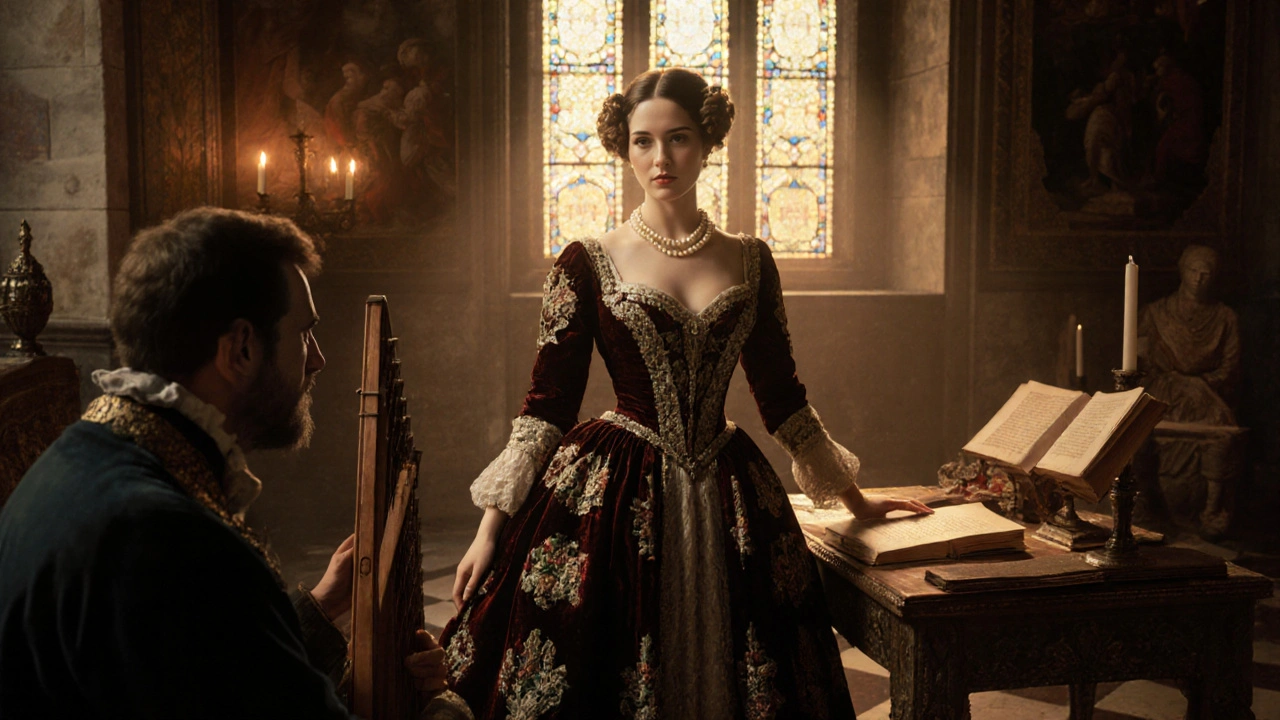
When people talk about courtesans, highly educated female companions in European and Middle Eastern courts who offered intimacy, intellect, and influence. Also known as ladies of pleasure, they were often political players, not just sexual partners. Many assume they’re the same as geishas, Japanese female entertainers trained in traditional arts like dance, music, and conversation, who provided refined companionship without sexual services. Also known as geiko, they were artists first, never prostitutes. But that’s where the similarity ends. Courtesans thrived in Renaissance Italy, 18th-century France, and Ottoman palaces—where their value came from charm, connections, and sometimes, sheer beauty. Geishas emerged in Edo-period Japan, where their worth was measured in skill, discipline, and cultural mastery. One was about power and possession. The other was about art and restraint.
The confusion comes from modern media. Hollywood and romance novels mix them up, turning both into exotic sex symbols. But real courtesans like Veronica Franco in Venice or Madame de Pompadour in France held real influence—they advised kings, funded artists, and moved through elite circles with titles and property. Geishas, by contrast, lived under strict rules. Their training could take a decade. They wore kimono, played shamisen, and performed tea ceremonies. Their clients paid for hours of conversation, not a night in bed. In fact, sexual relationships were rare, and when they happened, they were private affairs outside the professional role. This isn’t just history—it’s a lesson in how culture shapes intimacy. In Europe, companionship was transactional and tied to status. In Japan, it was ceremonial and tied to tradition.
Today, you’ll still hear people call modern escorts ‘geishas’ or ‘courtesans’—but that’s a misnomer. A London escort offering GFE isn’t a geisha. She doesn’t perform tea ceremonies or wear kimonos. And she’s not a courtesan either—she’s not negotiating land deals or hosting salons. She’s a professional companion offering presence, conversation, and connection in a modern context. The real legacy of courtesans and geishas isn’t in their bodies—it’s in their roles. One was a political tool. The other was a cultural treasure. Both remind us that human connection has always been more than sex. What you’re seeing in today’s escort scene? It’s a new kind of companionship—one that borrows the emotional depth of both, without the cages of history.
Below, you’ll find real stories, honest guides, and clear breakdowns of what modern companionship really looks like—from how to find a respectful match to what GFE actually means in London today. No myths. No fantasy. Just what’s real.
Courtesans and geishas are often confused, but they come from different cultures, had different roles, and followed completely different codes. This guide clears up the myths and shows what each truly was.
View more