
Every day, thousands of people around the world do work that’s illegal, misunderstood, and often dangerous-yet they’re not criminals. They’re sex workers. And behind the headlines and stereotypes are real people trying to survive, support families, and stay safe in a system that doesn’t protect them.
What It Really Means to Be a Sex Worker Today
Sex work isn’t one thing. It includes everything from street-based work and online camming to private escorting and adult film production. What ties them together isn’t the act-it’s the stigma, the legal risk, and the lack of basic protections. In the UK, while selling sex itself isn’t illegal, nearly everything that makes it safer is: soliciting in public, brothel-keeping, and even sharing a workspace with another worker can land you in trouble.
You might think, ‘Why not just quit?’ But for many, this isn’t a choice between a job and no job-it’s between a dangerous, stigmatized job and no income at all. A 2024 study by the University of London found that 68% of sex workers surveyed had no other viable employment options due to criminal records, discrimination, or lack of formal education. For trans women, migrants, and survivors of abuse, sex work is often the only way to pay rent, feed children, or escape homelessness.
The Hidden Costs of Stigma
Stigma doesn’t just hurt feelings-it kills. When society treats sex workers as less than human, they’re pushed out of healthcare, housing, and legal systems. A sex worker in Manchester told me last year: ‘I went to the hospital with a severe infection. The nurse asked if I was ‘a prostitute.’ When I said yes, she didn’t even check my temperature. Just handed me a pamphlet on ‘safe choices.’’
That’s not an outlier. A 2023 report by the Global Network of Sex Work Projects showed that 43% of sex workers in the UK avoided medical care because they feared judgment or arrest. That means untreated STIs, preventable injuries, and even deaths go unreported. And when violence happens? Police often dismiss reports. One trans sex worker in Bristol reported being raped by a client. The officer asked, ‘Why were you alone with him?’
Stigma turns survival into a secret. Workers hide their jobs from family. They lie on job applications. They avoid social services. The emotional toll? Chronic anxiety, depression, and isolation. Many don’t have anyone to talk to-not even other workers-because they’re terrified of being reported.
Why Criminalization Makes Things Worse
The UK’s current laws are built on the idea that sex work should be ‘eradicated.’ But instead of reducing it, they’ve made it deadlier. The Nordic Model-criminalizing buyers but not sellers-sounds compassionate. But in practice, it pushes transactions underground. Workers rush to close deals quickly, skip safety checks, and avoid using phones or apps that could help them screen clients.
Think of it like this: if you’re told you can’t use a seatbelt because it’s ‘encouraging risky driving,’ would you feel safer? That’s what sex workers face. When clients fear arrest, they become more aggressive. They demand anonymity. They refuse to use condoms. A 2025 survey by the English Collective of Prostitutes found that 57% of workers who switched to online-only work saw a 30% drop in violent incidents. But 89% of those who still work on the street reported at least one violent encounter in the past year.
Decriminalization isn’t about promoting sex work. It’s about recognizing that people will do this work regardless-and they deserve the same rights as any other worker: the right to report abuse, the right to safe spaces, the right to organize.
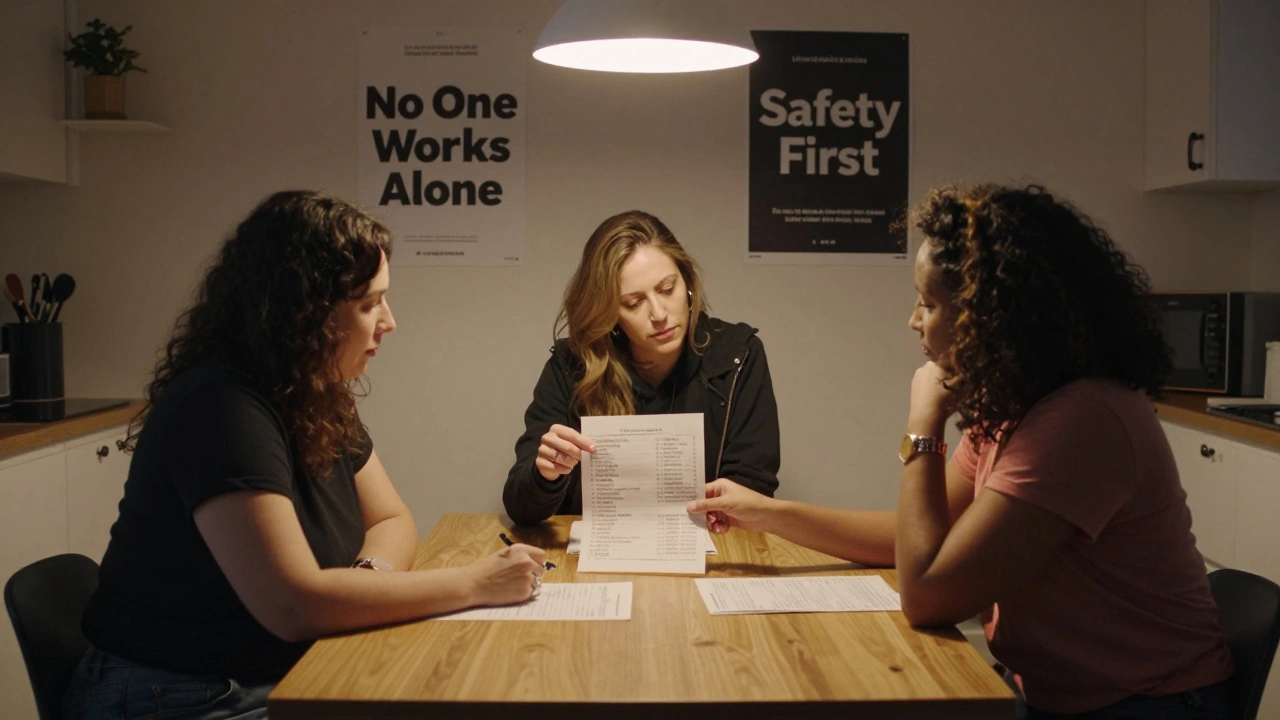
What Safety Looks Like When It’s Actually Prioritized
There are places where sex workers aren’t just tolerated-they’re protected. In New Zealand, where sex work was fully decriminalized in 2003, workers can legally rent apartments, hire security, and use screening tools without fear. The result? A 70% drop in violent crimes against sex workers in the first decade. Police now treat them as victims, not suspects.
Even in the UK, some groups are building safety from the ground up. In London, the English Collective of Prostitutes runs peer-led safety networks. Workers share client names, warn each other about violent men, and even organize collective rent payments so no one has to work alone out of desperation. One worker, Maria, told me: ‘We don’t have a union, but we’re the closest thing to one. If I don’t show up for three days, someone knocks on my door.’
Technology helps, too. Apps like Redlight and SafeSexWork let workers share real-time alerts about dangerous clients. But these tools are only useful if workers aren’t afraid to use them. In places where police still raid online platforms, many workers delete their apps-or never install them.
The Economic Reality: Why Money Doesn’t Solve Everything
Some people assume sex workers are rich. Maybe they’ve seen the Instagram posts: luxury cars, designer clothes, five-star hotels. But those are the outliers. The majority earn between £150 and £400 a week. Many work 60+ hours. Some pay £800 a month just for a room to work from. And they’re not covered by minimum wage, sick pay, or pensions.
For migrant workers, it’s worse. Many are trapped by visa restrictions. A woman from Nigeria I spoke with in Birmingham was told by her trafficker: ‘If you leave, you’ll be deported.’ She’s been working for six years. She sends money home every month. But she’s never been able to open a bank account. She’s never seen a doctor. She doesn’t know if she’ll ever be free.
And when they try to leave? There’s almost no support. Housing programs won’t take them. Job centers won’t help them update their CVs. And if they’ve ever been arrested-even for something minor like loitering-they’re blocked from most employment.
What’s Changing? And What’s Still Broken
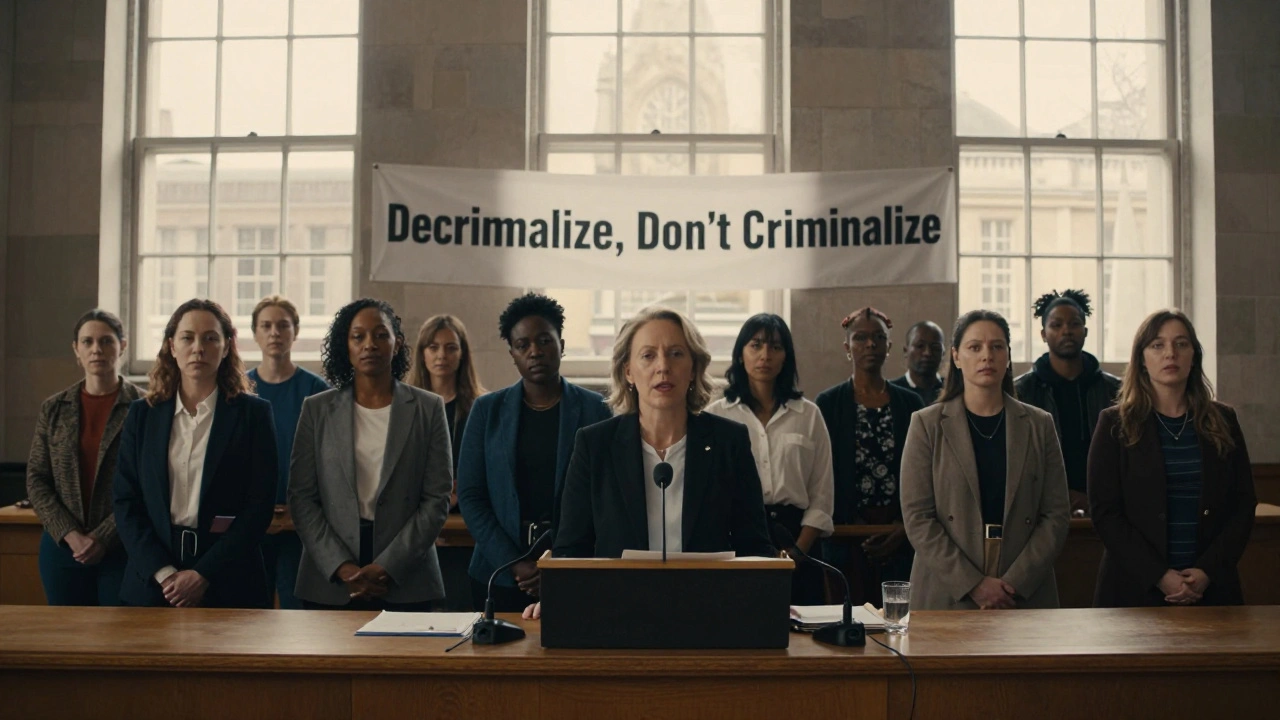
There’s progress. In 2025, the UK Parliament held its first-ever hearing on sex worker rights, led by Labour MP Sarah Jones. Testimonies from workers were broadcast live. For the first time, the government acknowledged that criminalization harms public health.
Organizations like STRASS in France and SWOP in the US have pushed for policy changes that treat sex work as labor-not crime. And in Scotland, a pilot program is testing decriminalization in Glasgow-offering workers legal advice, health checks, and safe housing.
But the biggest barrier isn’t policy-it’s perception. Until society stops seeing sex workers as ‘fallen’ or ‘exploited’ and starts seeing them as people with agency, dignity, and rights, nothing will change.
What You Can Do
You don’t need to be an activist to make a difference. Here’s what actually helps:
- Don’t assume someone’s story. If you know a sex worker, don’t judge them. Ask how they are.
- Support organizations that give direct aid: English Collective of Prostitutes, UK Network of Sex Work Projects, St. Mungo’s.
- Challenge the language. Say ‘sex worker’-not ‘prostitute’ or ‘hooker.’
- Vote for politicians who support decriminalization, not ‘rescue’ programs that push people into shelters without choice.
- If you’re a service provider (landlord, bank, clinic), treat sex workers like any other customer. Don’t ask questions. Don’t report them.
Change doesn’t come from pity. It comes from recognition. From seeing someone as human-even when their work makes you uncomfortable.
Frequently Asked Questions
Is sex work legal in the UK?
Selling sex is not illegal in the UK, but many activities around it are. Soliciting in public, pimping, running a brothel, or sharing a workspace with another worker can lead to arrest. This creates a dangerous gray zone where workers are forced to operate in secret, making them more vulnerable to violence and exploitation.
Why don’t sex workers just get another job?
Many do-when they can. But barriers like criminal records, lack of formal education, discrimination against trans people, and immigration status make it nearly impossible. A 2024 study found that 72% of sex workers had been turned down for jobs because of their past work-even if they’d left the industry years earlier.
Does decriminalization mean more people will become sex workers?
No. Decriminalization doesn’t create demand-it just makes existing work safer. In New Zealand, where sex work was decriminalized in 2003, the number of people in sex work didn’t increase. What did change? Violence dropped, health outcomes improved, and workers reported feeling more respected.
Are all sex workers victims of trafficking?
No. While trafficking does happen, conflating all sex work with trafficking is harmful. It strips people of their agency and leads to policies that punish workers instead of protecting them. Research shows that most sex workers enter the work voluntarily, often due to lack of alternatives-not coercion.
How can I support sex workers if I’m not an activist?
Start by listening. Don’t assume you know their story. Support organizations that give them direct help-like housing, legal aid, or health services. Challenge stigma when you hear it. And remember: dignity isn’t earned by doing ‘acceptable’ work. It’s a human right.
Final Thought
Sex work isn’t going away. People will always need intimacy, companionship, and services that society refuses to provide through other means. The question isn’t whether we should allow it. It’s whether we’re willing to let people do it without fear.







2 Comments
Nishad Ravikant
Interesting piece. I’ve seen similar struggles in Mumbai-many women turn to this work after being abandoned by families or fleeing abusive marriages. No one helps them rebuild. Just stigma and silence.
Michael Allerby
Bro. This is the most real shit I’ve read all year. I used to think sex workers were just ‘choosing’ this life like it’s a side hustle. Then I met a trans girl who cleaned offices at 4am and cammed till sunrise just to afford her hormones. She didn’t have a safety net-just a phone and a prayer. We treat people like disposable widgets and then act shocked when they break. Fix the system, not the person.