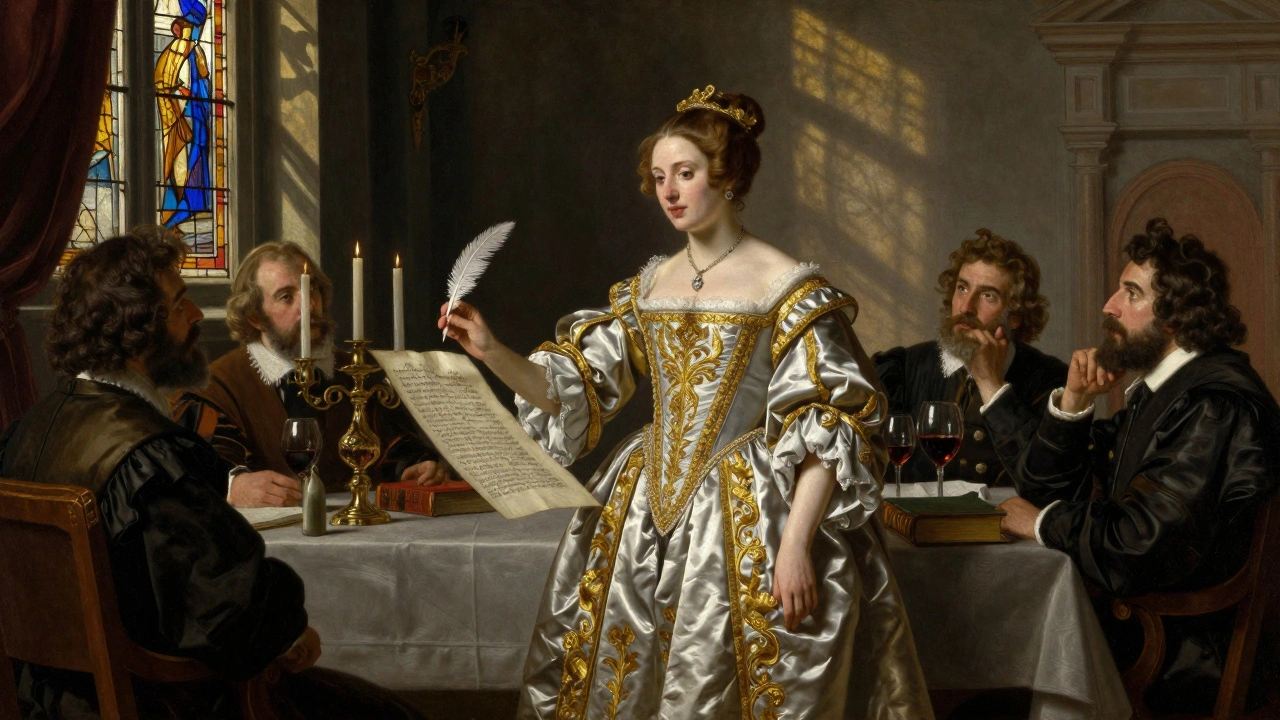
You think you know what a courtesan was? Think again. These weren’t just women who sold companionship-they were power players, artists, politicians, and cultural icons who moved through the highest circles of Europe and Asia for centuries. Their lives were filled with intrigue, wealth, betrayal, and genius. And the stories? They’re wilder than anything Hollywood could make up.
What Exactly Was a Courtesan?
A courtesan wasn’t a prostitute. That’s the first thing to clear up. While both offered intimate company, a courtesan was educated, often multilingual, and trained in music, dance, literature, and philosophy. She wasn’t hired for a single night-she was invited to dinner parties, salons, and royal courts. Her value wasn’t in her body, but in her mind.
In 16th-century Venice, courtesans like Veronica Franco could publish poetry and debate with bishops. In 18th-century Paris, Madame de Pompadour didn’t just sleep with King Louis XV-she shaped French art, politics, and even military strategy. In Japan, geisha (often confused with courtesans) were entertainers trained for decades, mastering the tea ceremony, shamisen, and poetry. Courtesans weren’t hidden away-they were celebrated, feared, and copied.
Why Courtesans Mattered
They were the original influencers. Before social media, courtesans controlled trends. The way they dressed, spoke, and carried themselves became the standard for nobility. In Florence, a courtesan’s hairstyle could spark a city-wide trend. In St. Petersburg, Catherine the Great surrounded herself with courtesans who doubled as her advisors.
They had something no noblewoman could: freedom. Married women were locked into domestic roles. Courtesans owned property, ran businesses, and moved between cities with ease. Some even left fortunes to their daughters-something unheard of for women at the time.
They weren’t just surviving-they were shaping history.
Real Stories You Won’t Believe
Let’s talk about Tilly Devine. Born in London in 1900, she was raised in poverty, then moved to Sydney, Australia, where she built a prostitution empire that controlled half the city’s underworld. She wore diamond-encrusted corsets, drove Rolls-Royces, and once punched a police officer in the face during a raid. The press called her the ‘Queen of the Underworld.’ She wasn’t a courtesan in the old European sense, but she carried the same DNA: intelligence, ruthlessness, and total control over her own destiny.
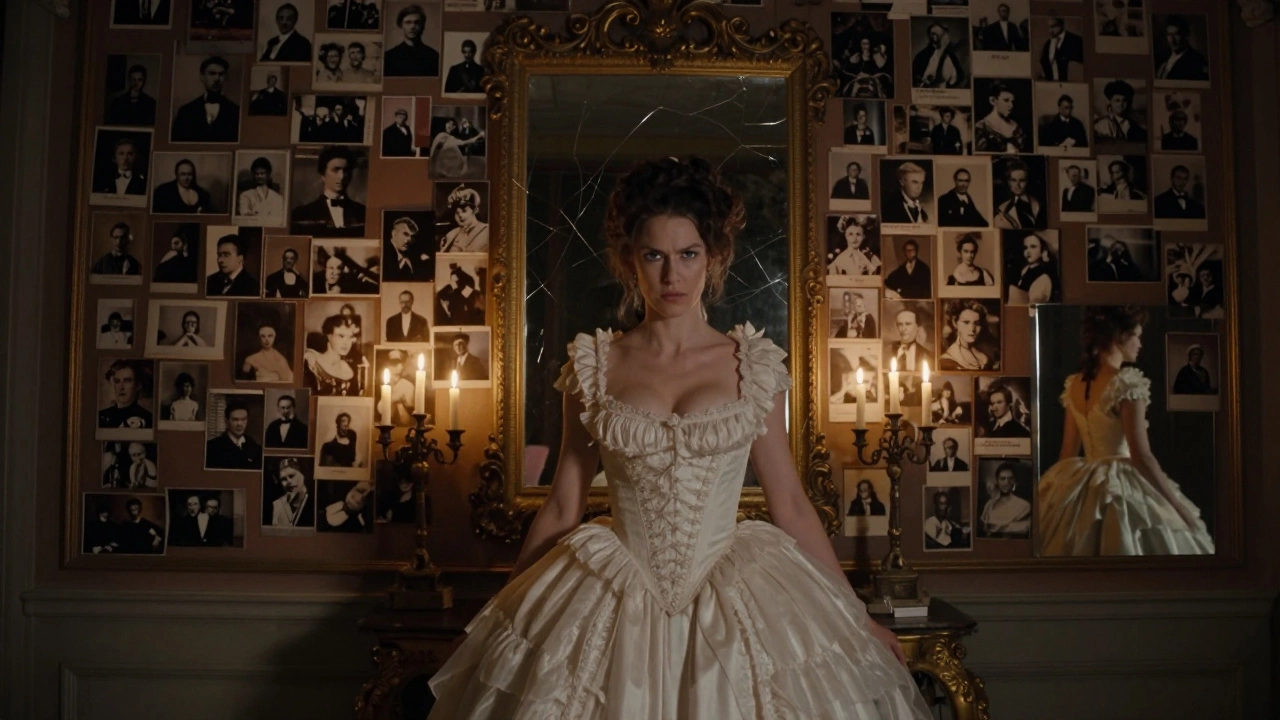
Then there’s La Castiglione, an Italian noblewoman who became the mistress of Napoleon III. She didn’t just sit quietly in the palace-she posed for over 400 photographs, many of them daring and theatrical, long before anyone understood the power of image. She used those photos to manipulate public perception, turning herself into a living work of art. When she was finally banished from court, she locked herself in a room for 30 years, surrounded by mirrors and her own portraits, refusing to be forgotten.
In 17th-century India, Mehtab Kaur, a courtesan from Lucknow, composed ghazals so beautiful they were sung at royal weddings. When the British annexed Awadh, they tried to erase her legacy-burning her manuscripts, silencing her students. But her poems survived in secret, passed down by hand. Today, scholars still study them as masterpieces of Urdu poetry.
Types of Courtesans Across History
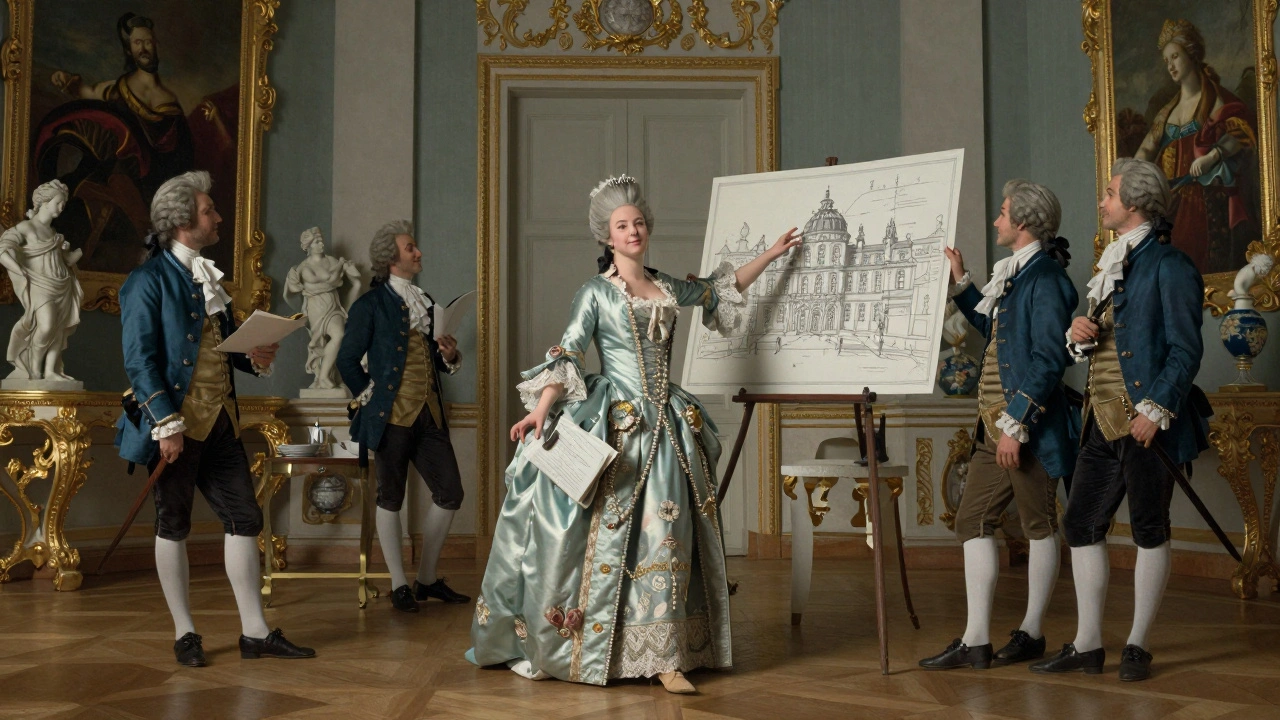
Courtesans weren’t one-size-fits-all. Their roles changed depending on time and place:
- Italian Cortigiane Oneste - ‘Honest Courtesans’ of Renaissance Italy. Educated in classical literature, they held salons and published books. Veronica Franco was one.
- French Maîtresses en titre - Official royal mistresses like Madame de Pompadour and Madame du Barry. They had titles, pensions, and influence over ministers.
- Japanese Oiran - High-ranking courtesans in Edo-period pleasure quarters. They wore 20-kilogram kimono and walked with wooden clogs that forced a slow, graceful gait.
- Indian Tawaifs - Performers trained in Kathak dance and classical music. Many were patrons of poets and musicians, preserving culture during colonial decline.
- Chinese Yuèjì - Singing courtesans in Shanghai and Beijing who mingled with revolutionaries and writers during the early 1900s.
Each type had its own rules, status, and risks. But all shared one thing: they turned intimacy into influence.
How to Learn More About Courtesan History
If you’re curious, start with primary sources. Veronica Franco’s poems are still in print. The letters of Madame de Pompadour are archived in the Bibliothèque nationale de France. There are documentaries on the Oiran of Yoshiwara, and museums in Kyoto still display their kimonos.
Books like The Courtesan’s Arts by Martha Feldman or Women of the Pleasure Quarters by Patricia Esson give deep, well-researched insight. Don’t rely on fiction-most novels romanticize or sensationalize. Look for academic work grounded in letters, diaries, and legal records.
And if you’re in London, check out the British Library’s exhibition on ‘Women and Power’-they’ve got original courtesan contracts and portraits you can view in person.
What to Expect When You Study Courtesan Culture
It’s not a story of victimhood. It’s a story of survival, strategy, and brilliance. These women navigated systems designed to silence them-and they didn’t just survive. They thrived.
You’ll find that many courtesans were self-made. They learned to read because they wanted to. They saved money because they knew they’d be abandoned one day. They wrote poetry because it was the only way to leave a mark when society refused to let them be remembered.
When you read their stories, you’re not just learning about sex work-you’re learning about how women carved out power in a world that gave them none.
Why This Matters Today
Modern sex workers still face stigma, legal threats, and erasure. But the legacy of courtesans reminds us: agency isn’t defined by your job title. It’s defined by your control, your voice, your choices.
Think of it this way: if you’ve ever seen a woman in a power suit, speaking confidently in a boardroom, or writing a bestselling book while raising kids alone-that’s the same spirit. The courtesans didn’t wait for permission. They built their own tables and sat at them.
Today, when we talk about women’s autonomy, financial independence, or the right to define your own worth-we’re talking about the same fight they won centuries ago.
Comparison: Courtesans vs. Modern Influencers
| Aspect | Courtesans (1500-1900) | Modern Influencers (2020s) |
|---|---|---|
| Primary Currency | Intellect, charm, artistry | Attention, engagement, aesthetics |
| Income Source | Patronage, gifts, property | Sponsorships, ads, merchandise |
| Public Image | Managed through salons, portraits, poetry | Managed through social media, filters, reels |
| Legal Status | Often illegal, but tolerated by elites | Legal, but socially stigmatized |
| Legacy | Shaped art, politics, fashion | Shaped trends, consumer behavior, culture |
Both groups used performance to gain power. Both were judged harshly by society. And both? They changed the world without ever holding office.
Were courtesans always wealthy?
Not always. Some courtesans lived in luxury, owning villas and wearing jewels. But many started with nothing and worked their way up. Others were abandoned by patrons and ended up poor. Wealth depended on skill, connections, and timing. A courtesan’s income wasn’t guaranteed-it was earned daily.
Did courtesans have families?
Yes. Many had children, sometimes with noblemen. These children were often raised in the family home or given to relatives. Some courtesans arranged marriages for their daughters, ensuring they’d be safe. Others educated them in music or literature so they could become courtesans too. Family wasn’t forbidden-it was strategic.
How did courtesans get their start?
Many were sold by poor families or orphaned. Others ran away from abusive homes. Some were trained from childhood by older courtesans. A few, like Veronica Franco, were born into respectable families but chose this path after being denied marriage or inheritance. There was no single path-only survival.
Were courtesans respected?
By the elite, yes. Kings, poets, and artists sought them out. But the general public? They were vilified. Religious leaders called them sinners. The press painted them as manipulators. It was a double life: admired behind closed doors, scorned in public. That tension defined them.
Do courtesans still exist today?
Not in the traditional sense. But the role lives on-in high-end companions, cultural consultants, and even some modern influencers who blend intimacy with intellect. The core idea remains: personal connection as currency. Today, you might pay for a dinner with someone who knows art, politics, and philosophy-not just for sex, but for the conversation.
These stories aren’t just history. They’re blueprints for resilience. The next time you hear someone dismiss a woman’s worth based on her profession, remember: the most powerful women in history didn’t wait for permission to be great. They wrote their own rules-and left behind a legacy no one could erase.


2 Comments
Marie-Eve Beaupré
The data here is fascinating, but let’s be real-most of these women were trapped in systems that gave them zero alternatives. Calling them ‘power players’ ignores the coercion, trafficking, and exploitation baked into their ‘choices.’ This reads like a romanticized LinkedIn post for historical trauma.
Kristin Briggs
Okay but have we considered the epistemic violence of labeling these women as ‘courtesans’ at all? The term itself is a colonial euphemism-designed to sanitize what was essentially transactional intimacy under patriarchal capitalism. The real revolution? They weaponized aesthetics as resistance. Think of La Castiglione’s 400+ photos as proto-feminist performance art. She wasn’t just posing-she was deconstructing the male gaze in real time. And yet, we still reduce her to ‘mistress.’