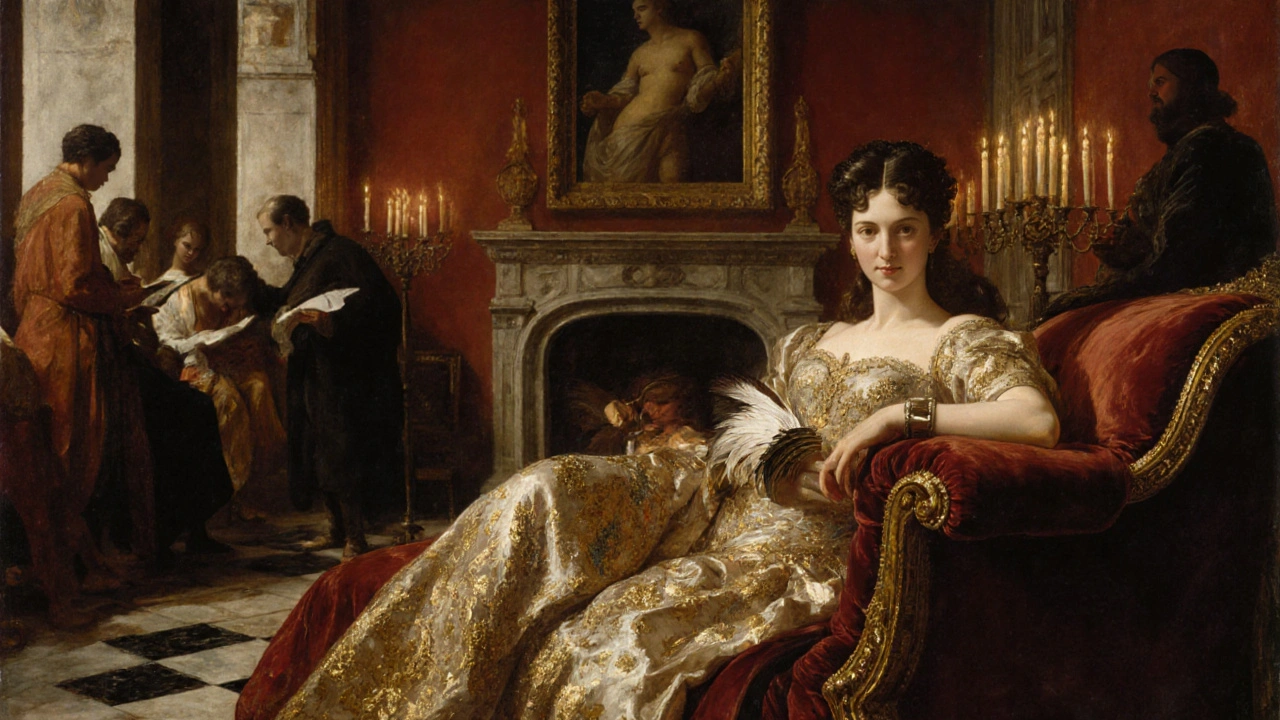
Courtesans and Renaissance: History, Roles, and Modern Connections
When you think of courtesans, highly educated female companions in early modern Europe who provided intellectual, social, and physical companionship to the elite. Also known as court ladies, they were far more than mistresses—they were artists, writers, and political influencers who moved in the same circles as kings and philosophers. During the Renaissance, a cultural rebirth in Europe between the 14th and 17th centuries that revived classical learning and transformed art, politics, and social roles, courtesans held a unique place. Unlike noblewomen, who were often confined to marriage and domestic life, courtesans had freedom, wealth, and public influence. They hosted salons, advised powerful men, and commissioned paintings. Some, like Veronica Franco in Venice, published poetry and defended their status in public debates. Their lives weren’t glamorous by today’s standards—they faced stigma, legal risks, and economic instability—but they controlled their own destinies in ways few women could.
The historical courtesans, women who earned status through intellect, charm, and discretion rather than birthright operated under strict social codes. They were trained in music, literature, and etiquette. Their relationships were often contractual, not casual. This is where the modern connection becomes clear: today’s independent escorts in London don’t just offer physical intimacy—they offer presence, conversation, and emotional safety. Just like Renaissance courtesans, many modern companions are highly educated, culturally aware, and skilled at reading people. The difference? Today’s clients aren’t just nobles—they’re professionals, artists, and lonely souls seeking real human connection in a digital world that feels increasingly hollow.
There’s a quiet thread running from the salons of Florence to the private apartments of Mayfair: the demand for companionship that’s thoughtful, respectful, and free of judgment. The escort industry today isn’t a decline from history—it’s a continuation. People don’t hire companions because they can’t find love. They hire them because they want someone who listens without an agenda, who knows how to hold a conversation about art or politics, and who shows up without pretense. The posts below explore this lineage—from how Renaissance courtesans dressed and spoke, to how today’s London escorts build trust, manage safety, and offer something deeper than sex. You’ll find stories about discretion, elegance, and the real reasons clients choose these services. Whether you’re curious about history, the modern escort scene, or the emotional needs driving both, this collection gives you the facts without the myths.
Courtesans shaped art, fashion, and culture across centuries-not through titles, but through wit, beauty, and influence. From Venice to Edo, they were the hidden architects of history.
View more