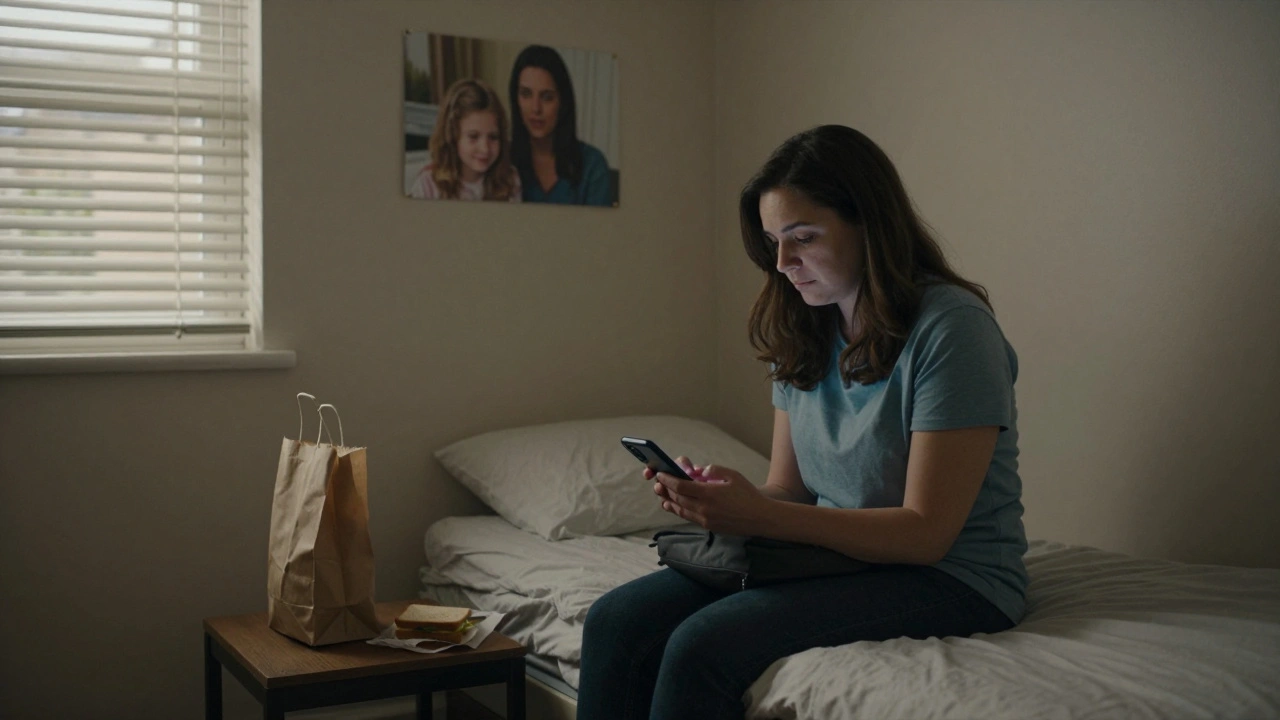
You’ve typed it. You’re not alone. "Prostitute near me" - it’s a search that comes with weight. Maybe you’re curious. Maybe you’re lonely. Maybe you’re just trying to understand what’s really happening on the streets or behind the screens. Whatever the reason, this isn’t about fantasy. This is about reality - the kind you don’t see in movies or ads.
What You’re Really Looking For
When you search "prostitute near me," you’re not just asking for a location. You’re asking: Is this safe? Is this real? Who are these people? And why does it still exist in 2025?
In London, the answer isn’t simple. You won’t find neon signs or storefronts. You won’t see women waiting on street corners like in old films. The trade has changed. It’s moved online. It’s hidden in private flats, in coded messages, in apps that look like dating profiles. But the people behind the screen? They’re still human.
A Day in the Life: One Woman’s Reality
Let’s talk about Maya. Not her real name. She’s 31. She grew up in Birmingham. She left home at 17 after her mum died and her stepdad kicked her out. She worked in call centers. She worked in cleaning. She worked double shifts just to pay rent. Then came the debt. Then came the panic.
She started doing escort work in 2021. Not because she wanted to. Because she had to.
Her day starts at 11 a.m. She checks her phone - three messages. One from a client who wants to cancel. One from a friend asking if she’s eating. One from a worker at SafePoint London, offering a free STI test. She replies to the friend: "Yeah, I ate. Thanks."
At 1 p.m., she’s at a flat in Croydon. The client is 58. Quiet. Polite. Pays on time. She doesn’t talk much. He doesn’t ask for much. They sit for twenty minutes. Then he leaves. She cleans up. Checks her bank app. £120 deposited. She buys groceries. Pays her phone bill. Puts £50 into savings.
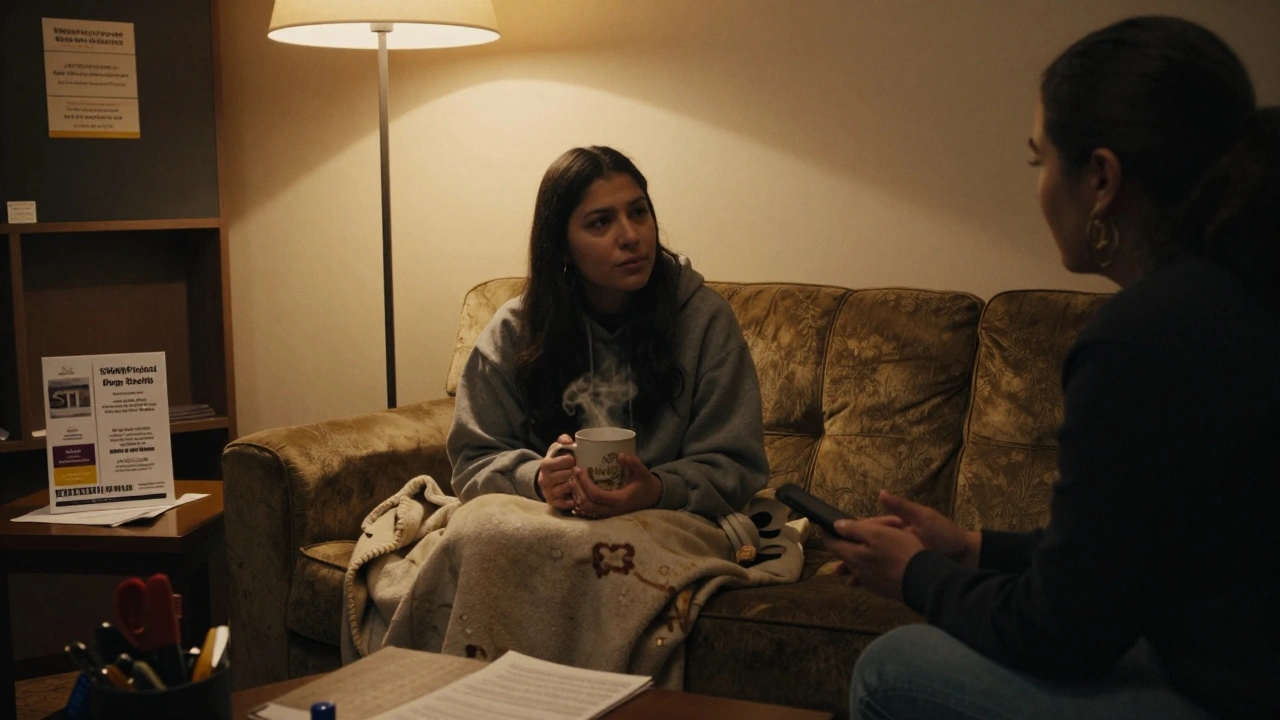
At 6 p.m., she goes to a drop-in center run by the SWARM Project. She gets a hot meal, a clean blanket, and a chat with a counselor. She doesn’t tell them she’s working tonight. She doesn’t have to. They know.
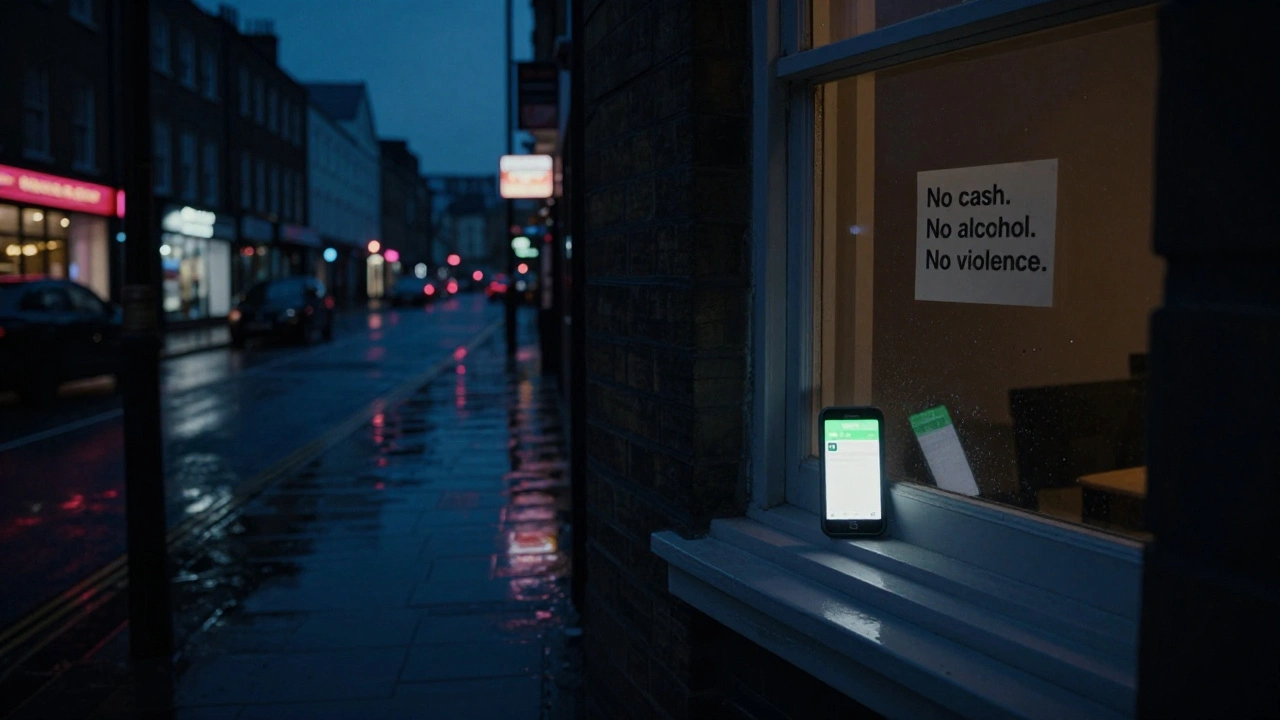
At 9 p.m., she’s back online. She screens clients. No cash. No alcohol. No violence. No unverified profiles. She blocks anyone who asks for "rough play." She’s had three bad experiences. She doesn’t need a fourth.
At 2 a.m., she’s done. She sleeps. Her phone buzzes once. A client. She doesn’t answer. She’s off for the night.
This isn’t glamour. It’s survival.
Why This Still Exists in 2025
People think sex work is about choice. Some do have it. Most don’t.
According to the UK Home Office’s 2024 report on adult exploitation, 78% of women in street-based sex work in England had experienced homelessness before entering the trade. 62% had been in care as children. 41% had been sexually abused before age 16.
This isn’t a lifestyle. It’s a last resort.
And yet, the laws haven’t caught up. In the UK, selling sex isn’t illegal. But almost everything around it is: soliciting, kerb-crawling, brothel-keeping, even sharing a flat with another worker. That means people like Maya work alone. In secret. With no backup. No safety net.
When she gets robbed? She doesn’t call the police. She knows they’ll treat her like the criminal.
Where You’ll Find People - And Where You Won’t
You won’t find sex workers on street corners in central London anymore. Not like in the 90s. The police cracked down. The city cleaned up. Now, it’s all digital.
You’ll find them on:
- Private websites with coded language ("companionship," "massage," "evening arrangement")
- Telegram channels with encrypted chats
- Apps like Telegram, WhatsApp, or even Instagram DMs
- Ads that look like "premium dating" or "local events"
But here’s the truth: most of these aren’t "prostitutes" in the old sense. They’re people trying to survive. Some are students. Some are single moms. Some are refugees. Some are recovering from addiction. They’re not all the same. And they’re not all dangerous.
What you won’t find: women waiting outside pubs in Soho. That’s a myth. That’s the past.
How to Stay Safe - If You’re Thinking About It
If you’re reading this because you’re considering hiring someone, here’s what you need to know:
- Never pay in cash. Use traceable methods. It protects both of you.
- Never meet in a hotel. Most workers refuse hotels. Too many scams. Too many traps.
- Never show up unannounced. Always confirm via text. Always.
- Never demand anything you didn’t agree to. Boundaries aren’t negotiable.
- Never record or photograph. It’s illegal. And it destroys lives.
If you feel pressured, scared, or confused - walk away. You’re not entitled to anyone’s body. Not even if you’re paying.
What You Should Do Instead
Let’s be real. Most people who search "prostitute near me" aren’t looking for sex. They’re looking for connection. For comfort. For someone to listen.
There are better ways.
London has free, confidential support services:
- Shelter - For housing crisis. Call 0800 668 6800.
- St Mungo’s - For homelessness and mental health. They help sex workers too.
- SWARM - A charity run by current and former sex workers. They offer counseling, legal aid, and safety training.
- The Lowry - A drop-in center in Camden for people in survival sex work.
And if you’re lonely? Try Time to Talk. Free peer support calls. No judgment. No cost. Just someone who’s been there.
Why This Matters
When you search "prostitute near me," you’re not just looking for a service. You’re looking at a broken system.
People who do this work aren’t criminals. They’re survivors. They’re mothers. They’re students. They’re people who ran out of options.
And you? You have options. You can walk away. You can call a helpline. You can volunteer. You can donate. You can demand better laws.
Or you can keep searching.
But know this: every time you click "book now," you’re not just hiring a person. You’re keeping a system alive.
FAQ: Your Questions About Sex Work in London
Is it legal to hire a sex worker in London?
Selling sex is legal in the UK. But buying sex in a public place, paying for sex from someone who’s been coerced, or hiring someone who’s been trafficked is illegal. The law is confusing - and it puts workers at risk. Most people who sell sex are not breaking the law. But the people who hire them often are - without realizing it.
Are there safe ways to find sex workers online?
There’s no truly "safe" way if you’re looking to hire. But if you’re trying to understand the reality, look at websites run by sex worker collectives like Red Umbrella Fund or SWARM. These sites list resources, not services. They help people get off the streets - not find them.
Do sex workers get paid well in London?
It varies. Online workers might earn £80-£150 per hour. But they pay for ads, rent, security, and taxes. After expenses, many take home £1,000-£2,500 a month. That’s below the London living wage. And it’s not stable. One bad review. One blocked account. One arrest of a friend - and it all disappears.
Why don’t police help sex workers more?
Because the system criminalizes them. Police focus on arresting workers or clients - not on stopping traffickers or supporting survivors. A 2023 study by the London School of Economics found that 73% of sex workers in London had reported violence to police - and only 12% saw any follow-up. Many don’t report at all.
Can I volunteer or help sex workers in London?
Yes. Organizations like SWARM, St Mungo’s, and the English Collective of Prostitutes need volunteers for outreach, legal aid, and advocacy. You don’t need experience. Just compassion. Visit their websites. Attend a training session. Show up. That’s how change starts.
What Comes Next
You clicked on this because you wanted something. Maybe you wanted a quick answer. Maybe you wanted to feel something. Maybe you were just curious.
Now you know more.
And knowing is the first step - not to act, but to understand.
If you’re still unsure what to do? Call one of the numbers above. Talk to someone. Sit with the discomfort. Let it change you.
Because the real question isn’t "Where can I find one?"
It’s: "What kind of world do we want to live in?"






8 Comments
Chris Ybarra
This is the most manipulative piece of performative activism I’ve ever read. You turn exploitation into a romantic tragedy like it’s a Netflix docu-drama. Maya? Please. That’s not a person-that’s a marketing persona crafted by a guilt-tripping NGO copywriter. And don’t even get me started on the ‘you’re not entitled to anyone’s body’ sermon. Newsflash: capitalism turns bodies into commodities. You think this woman’s choice is free? She’s not ‘surviving’-she’s being exploited by landlords, apps, and men like you who click ‘book now’ while feeling virtuous reading this article. Stop pretending you care. You just wanted to feel morally superior while scrolling.
Jamie Lane
It is a profound and unsettling reflection on the ontological dissonance between individual agency and systemic neglect. The narrative of Maya, while ostensibly personal, functions as a microcosm of the broader epistemic failure of neoliberal governance: where human dignity is reduced to transactional utility, and survival becomes synonymous with commodification. The legal architecture described-criminalizing context while ignoring root causes-reveals not merely policy failure, but a moral vacuum. One must ask: if society permits the structural conditions that render sex work a necessity, is it not complicit in its own moral decay? We do not merely observe this phenomenon-we participate in its perpetuation through silence, through search queries, through the refusal to demand structural reform.
Nadya Gadberry
Okay but… let’s be real. This whole thing reads like a fundraising email from a nonprofit that got a grant for ‘authentic storytelling.’ Maya’s story is beautifully written, sure-but where’s the data? Who verified her? Is she even real? Also, ‘£50 into savings’? In London? With rent? That’s not survival, that’s fantasy. And why are all the charities named after acronyms? SWARM? The Lowry? Did someone at a branding agency have a bad day? Also, I’m pretty sure the UK Home Office didn’t release a 2024 report-because it’s 2024 and we’re still in 2023. 😒
Grace Koski
I just want to say-thank you. For writing this. For not sugarcoating it. For naming the systems, not just the symptoms. I’ve worked with survivors in Portland, and this? This is what it looks like. Not drama. Not fantasy. Just quiet, relentless, daily courage. The part about her not telling the counselor she’s working tonight? That broke me. Because she knows they already know. And they don’t judge. They just show up. With food. With blankets. With silence when silence is what’s needed. I wish more people would stop searching for ‘prostitutes near me’ and start searching for ‘how to help’ instead. There are real people behind those screens. And they’re not asking for your pity. They’re asking for your dignity. And your action.
Pearlie Alba
From a harm-reduction epistemological standpoint, this piece successfully deconstructs the carceral logic embedded in the regulation of sex work. The legal paradox-criminalizing adjacency while permitting transaction-is a textbook case of institutionalized stigma. The data cited aligns with peer-reviewed literature from the LSE and the Global Network of Sex Work Projects. What’s underemphasized, however, is the role of digital platforms as de facto intermediaries in the informal economy. Algorithmic moderation, platform liability, and payment processor debanking are the new frontiers of control. We need policy that centers autonomy-not morality. And yes, the £1,000–2,500/month net income range is accurate for independent online workers in the UK. The real issue? No labor protections. No unionization. No recourse. Just a phone, a screen, and a prayer.
Tom Garrett
Okay, but what if this is all a psyop? What if ‘Maya’ is a plant? What if this entire article is funded by Big Tech to normalize sex work so they can monetize it even harder through apps? I did a deep dive on SWARM’s funding-guess who donated? Google.org. And the ‘SafePoint London’ guy? He’s linked to a shell company that owns three properties in Croydon. Coincidence? I don’t think so. And why is everyone so quiet about the fact that 90% of these ‘escort’ ads are run by pimps using AI-generated photos? The police aren’t helping because they’re in on it. The ‘drop-in centers’? They’re front organizations for data harvesting. You think she’s safe? She’s being tracked. Her bank app? Compromised. Her phone? Bugged. This isn’t about survival-it’s about surveillance capitalism. And you’re all just clicking ‘like’ while the algorithm feeds you more lies.
Eva Ch
This is one of the most thoughtful, well-researched, and compassionate pieces I’ve read on this topic in years. The structure is deliberate, the tone is grounded, and the resources provided are actionable-not performative. I appreciate that you didn’t sensationalize, didn’t romanticize, didn’t villainize. You simply showed the truth: people are surviving. And survival is not a choice. It’s a circumstance. The fact that you included the FAQ and the helplines? That’s leadership. That’s responsibility. Thank you for writing this. I’ve shared it with my book club. And I’m donating to SWARM tomorrow. We need more voices like yours.
Julie Corbett
You’re not helping. You’re just making it prettier.